

A Journey of Art Painted with Ink and Soul
Born in 1977 in Okayama Prefecture, Japan, he began studying calligraphy at the age of six and trained under Gyogetsu Akatsuka from his high school years. He later studied Chinese literature at the Faculty of Letters of Daitō Bunka University under the guidance of Setsuzan Tanaka. Grounded in his experience with the study of ancient scripts, he established a distinctive style that fuses archaic characters with an innovative and contemporary approach to calligraphy. His work has been highly acclaimed both in Japan and internationally. Now based in Bordeaux, France, he pursues his artistic practice on a global stage while actively engaging in arts education, notably through calligraphy workshops at local educational institutions. Since the autumn of 2023, he has also been studying painting at the École des Beaux-Arts in Bordeaux (National School of Fine Arts), further expanding the scope of his creative practice.
2014
- Calligraphy performance at MoMA – Museum of Modern Art, New York
2017
- Title calligraphy for the historical NHK drama Onna Jōshu Naotora
2018
- Performance at the World Economic Forum – Davos, Japan Night
2019
- Selected by Yahoo! JAPAN to write the character for the new era name “Reiwa”
2022
- Solo exhibition Des fleurs qui dansent at Galerie Mikiko Fabiani, Paris
- Collaboration with UNIQLO Marais Paris (T-shirts & totes sold in all UNIQLO stores in Europe)
- Solo exhibition Fleurir ensemble at Galerie Wada, Ginza, Tokyo
2023
- Solo exhibition Fleurir ensemble at Daimaru Sapporo Art Gallery
2024
- Selected for L’Art aux Carmes at Château Les Carmes Haut-Brion
2025 Jan
- Collaborative creation with the Ateliers d’Art of GrandPalaisRmn (Atelier de moulage)
- Exhibition, work donation, and workshop at the National Museum of Calligraphy of Algeria
2025 May
- Title calligraphy for Star Wars: Visions Presents – The Ninth Jedi(Lucasfilm × Production I.G / scheduled for release on Disney+ in 2026)
- Guest of Honor at AXA “Café de l’Art de Vivre” at the France Pavilion, Expo Osaka 2025
- Solo exhibition Stars in the Night Sky at I.F. Gallery, Singapore
2025 Jun
- Presentation of a commissioned work at the opening of the exhibition JAPON – Archipel des arts at Musée Crozatier, Le Puy-en-Velay
- Presentation of a commissioned work at the opening of the exhibition JAPON – Archipel des arts at Musée Crozatier, Le Puy-en-Velay
2025 Sep
- Organization of the exhibition “Carte blanche à Maaya Wakasugi” at Musée Fayet, Béziers
2025 Oct
- Donation of an artwork to the Art Museum RIGA BOURSE (cultural program of the Embassy of Japan in Latvia)
© Gilles Bassignac
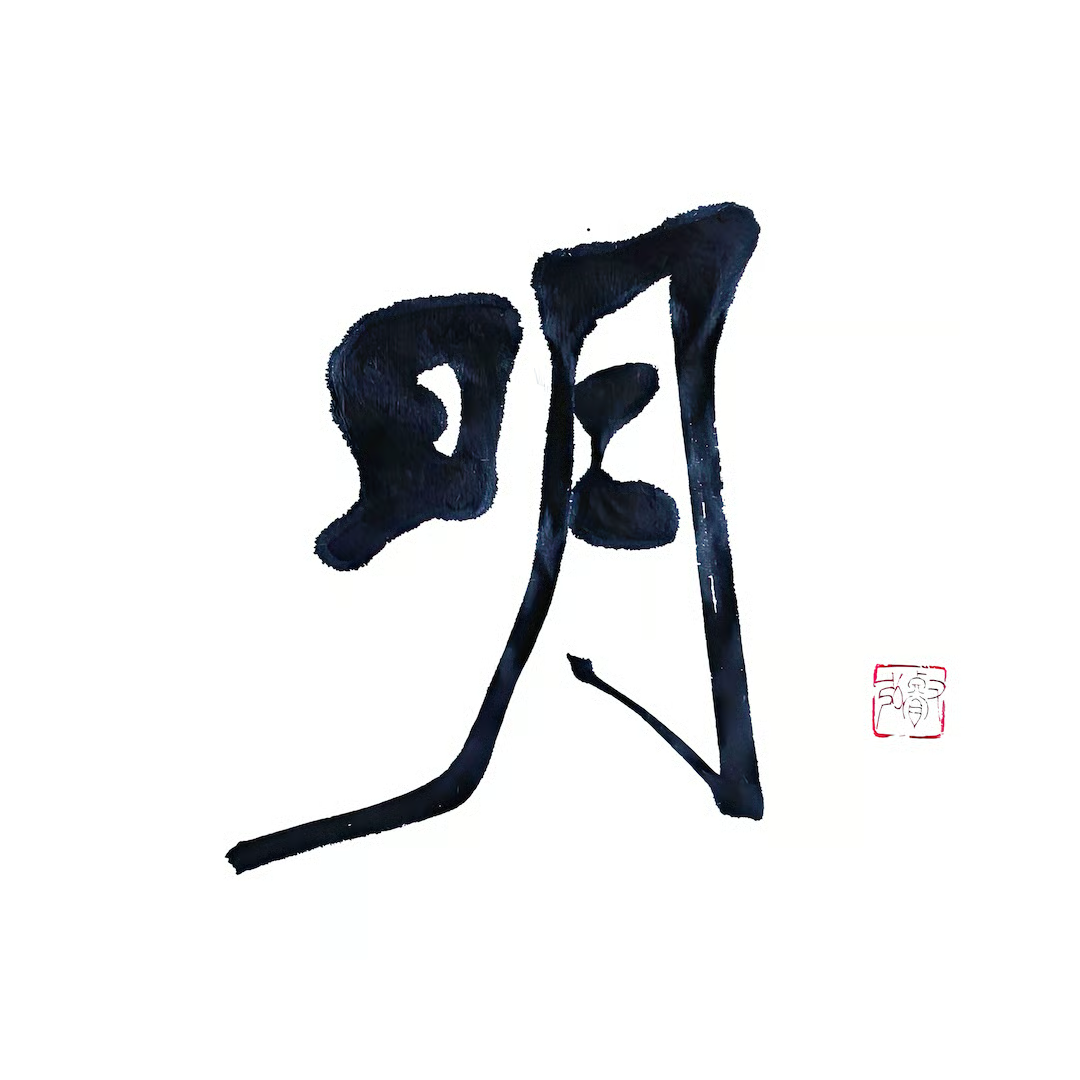
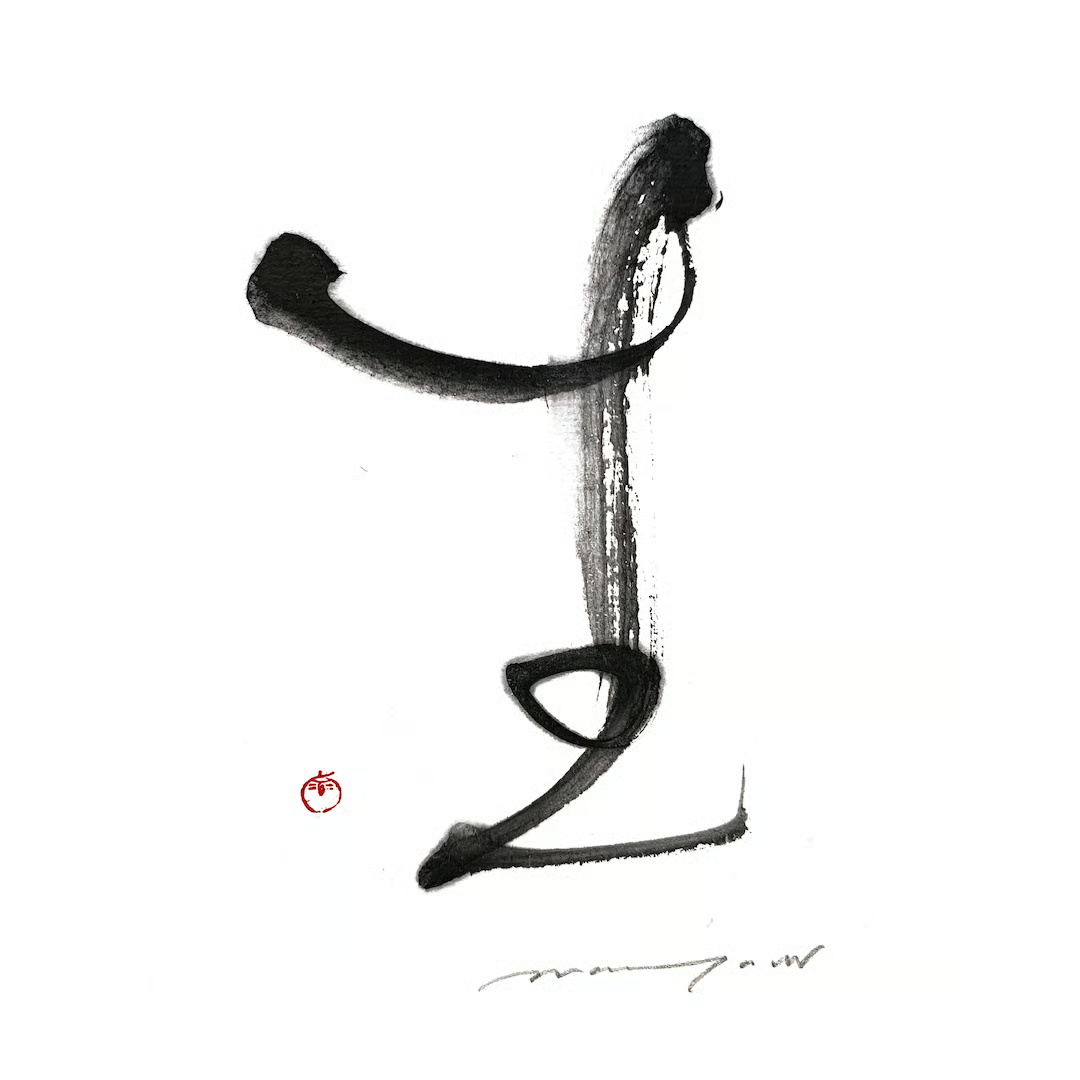
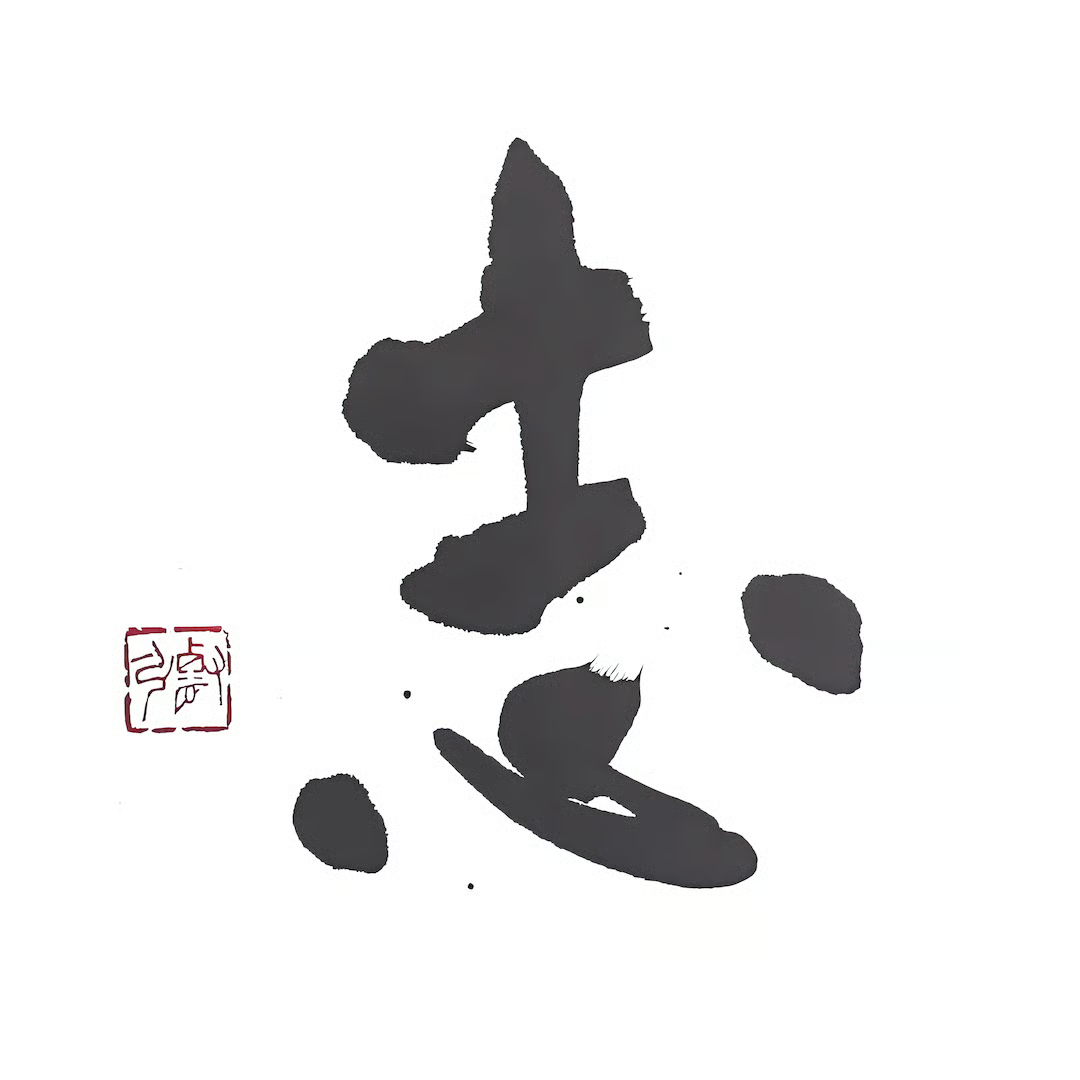
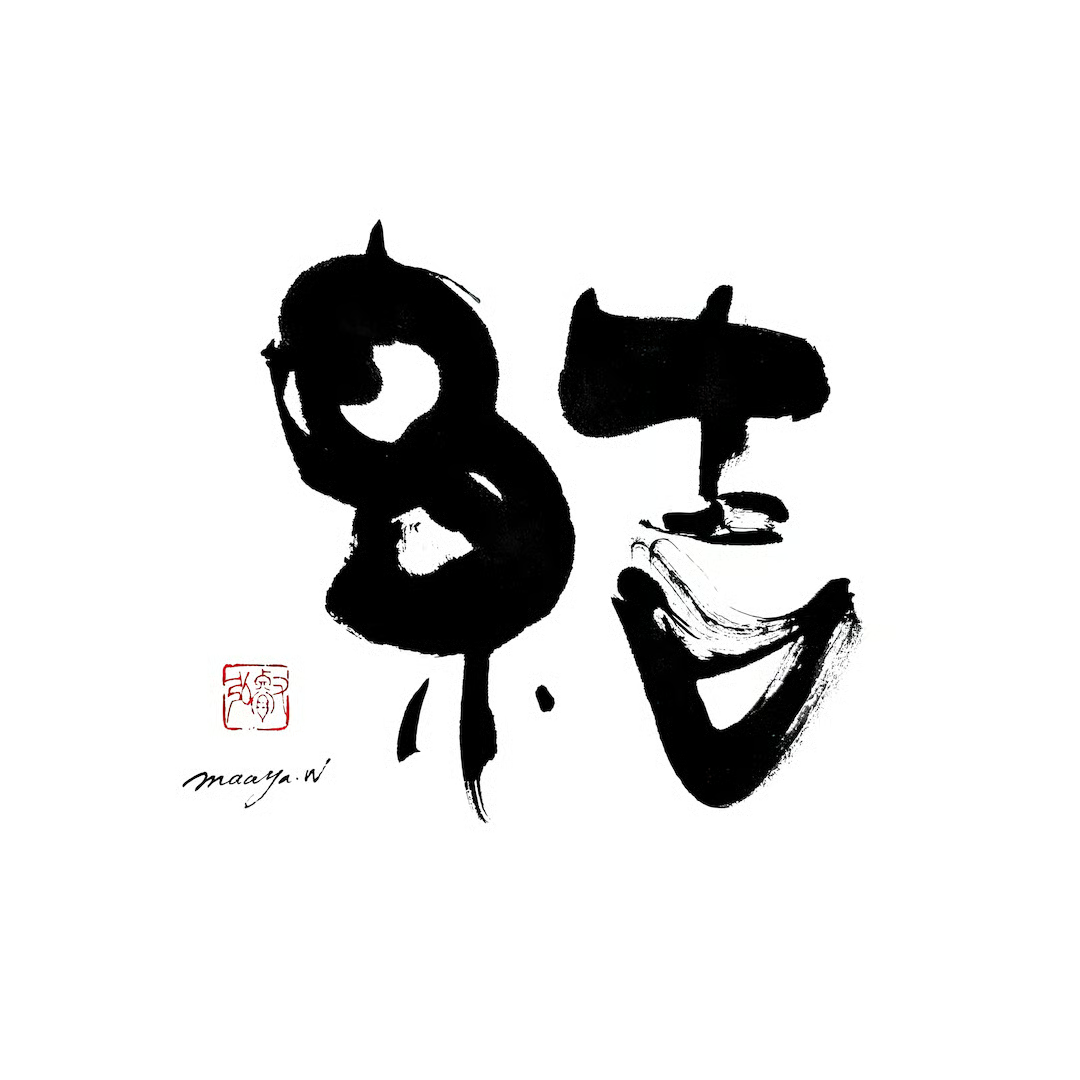
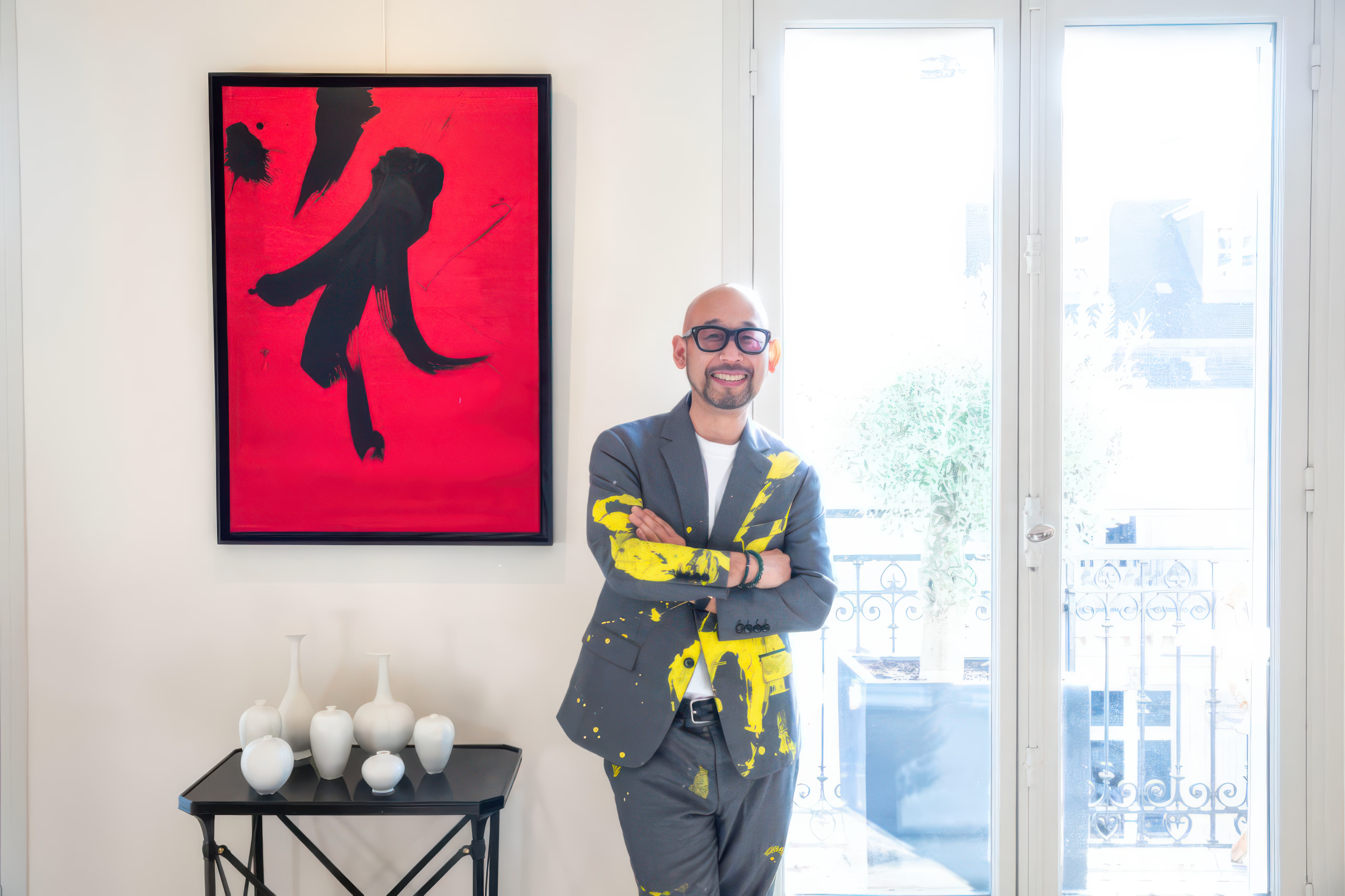
Maaya Wakasugi: Calligraphy of “Wa”
Maaya Wakasugi, born 1977, who is currently based in Bordeaux, France, is originally from Tamano city in Okayama Prefecture. He started practicing calligraphy at the age of 6 and later became a disciple of Gyogetsu Akatsuka (1946-2020). Akatsuka’s calligraphy is influenced by the style of Yuzhao Zhang (1823-1894), a renowned scholar from the late Qing dynasty in China. Yuzhao Zhang studied the block style script (楷書) of the Northern Wei dynasty and was a person who incorporated the essence of “stone carving,” which said to be the origin of calligraphy, into his own work. It is said that the characteristics of the Northern Wei’s block style scripts were inadvertently influenced by the way the carver inserted the knife into the stone, not exactly following the original brushwork, resulting in sharp and angular strokes that tend to rise upwards to the right, giving a robust impression. Eishi Miyajima (1867-1943), a Japanese calligraphevr who apprenticed under Yuzhao inherited and mastered this brush technique, and when leaving China, he was lamented by his peers with the words “The calligraphy of China heads east,” indicating the transmission of Chinese calligraphy to Japan.
After World War II, Shinzan Kamij. (1907-1997) advocated for the necessity of reviving brush calligraphy in school education in Japan and devoted himself to this cause. He was a disciple of Eishi Miyajima and inherited the “reverse entry, smooth exit(逆入平出)” brush technique, establishing his own unique style of calligraphy. He won a special selection at the 7th Japan Fine Arts Exhibition, the largest comprehensive art exhibition in Japan, and led the calligraphy world thereafter. Among the many universities where he taught, Daito Bunka University is known as the first in Japan to establish a department of calligraphy studies. Gyogetsu Akatsuka became his student and disciple, and naturally, Maaya also proceeded to the same university.
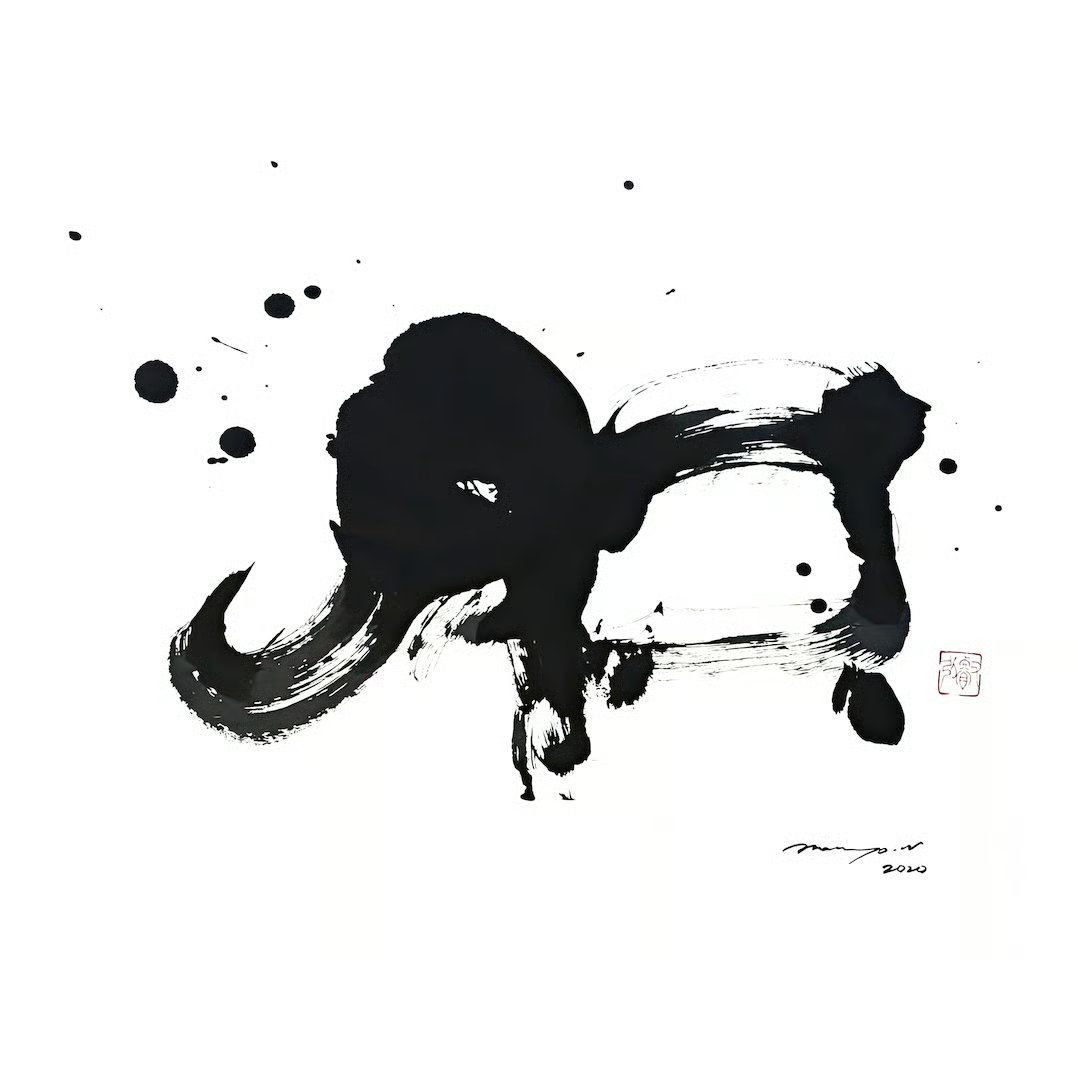
During his university years, Maaya deepened his study of calligraphy under Setsuzan Tanaka, who inherited Shinzan Kamij.’s style. He witnessed the movement of Shinzan-style brushwork countless times. Until then, he had imagined that aiming for lines that seemed carved into stone would involve slow brush movements, but he was surprised by the speed at which the calligraphy was executed, contrary to his expectations. Furthermore, the splattering of ink that adorned the paper surface, and the contrast between the powerful brush lines and the light splatter, thrilled him. I believe that this experience became an indispensable element when discussing Maaya’s work.
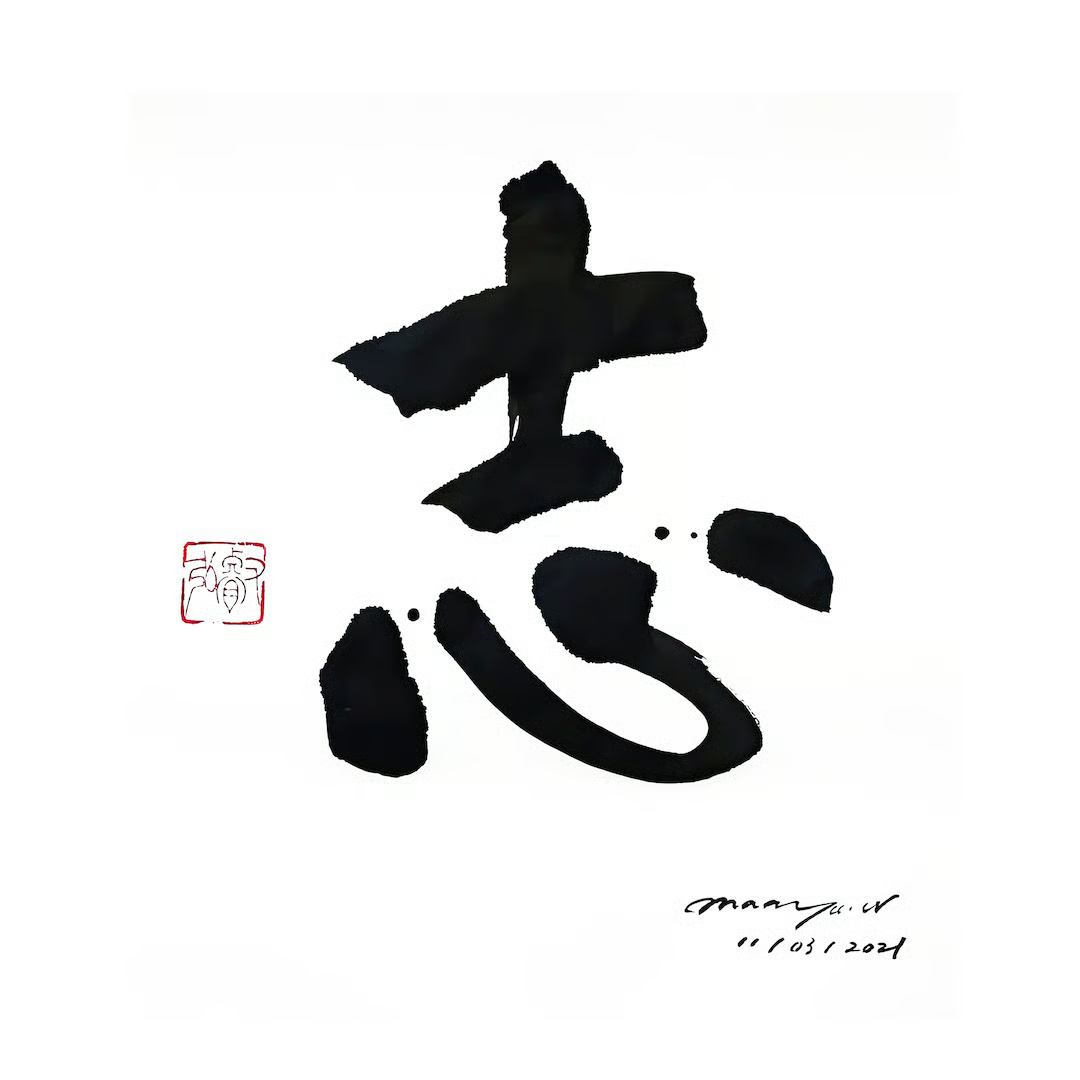
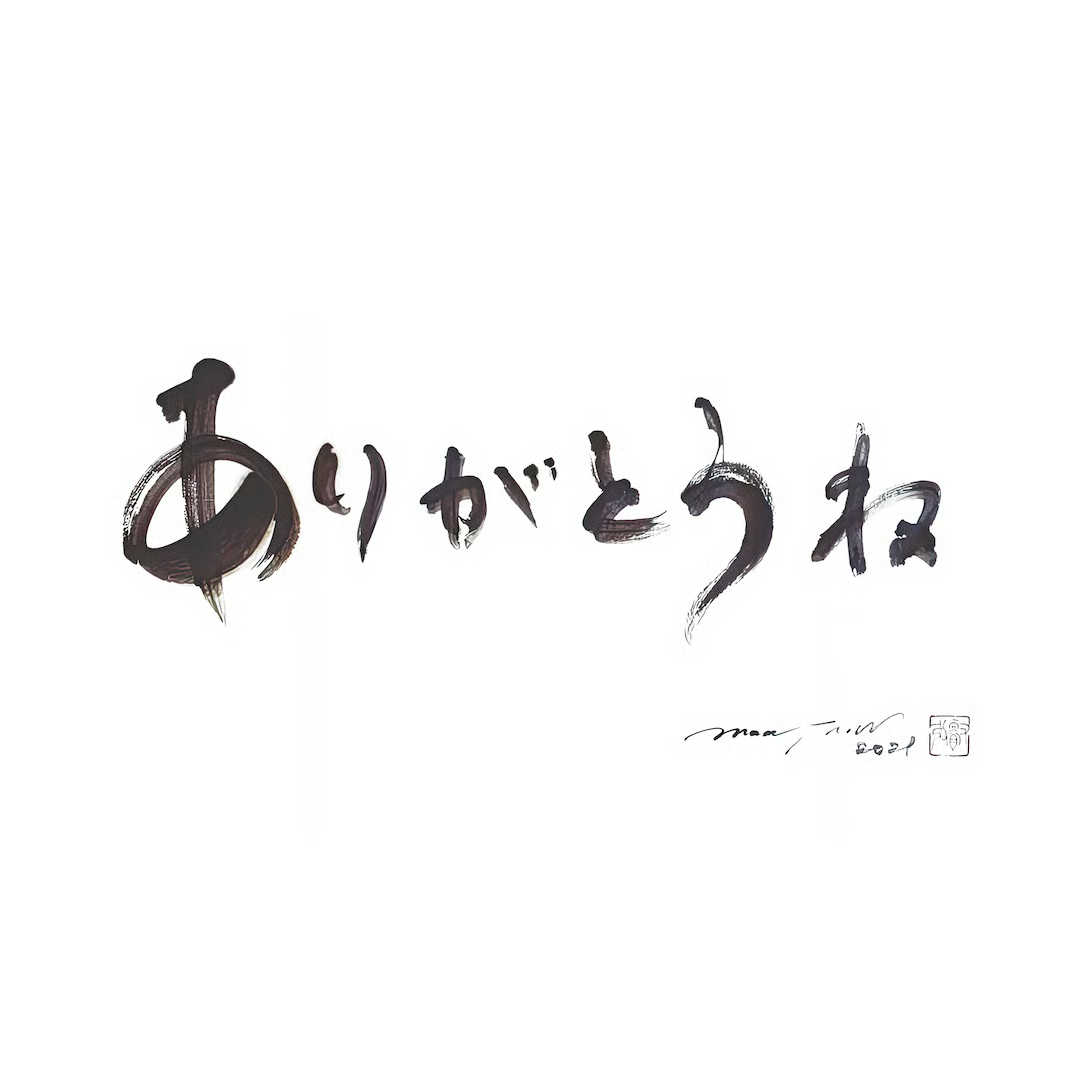
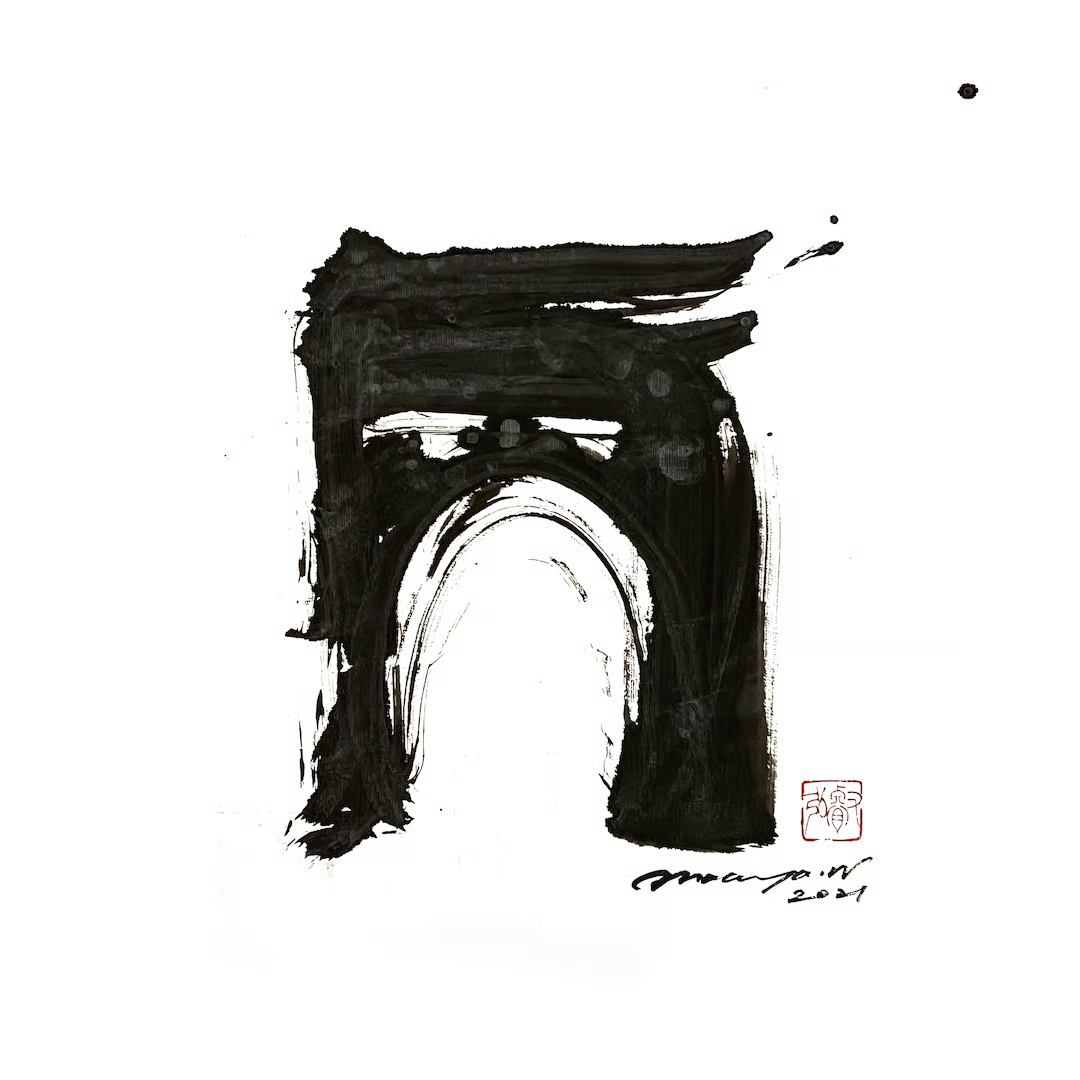
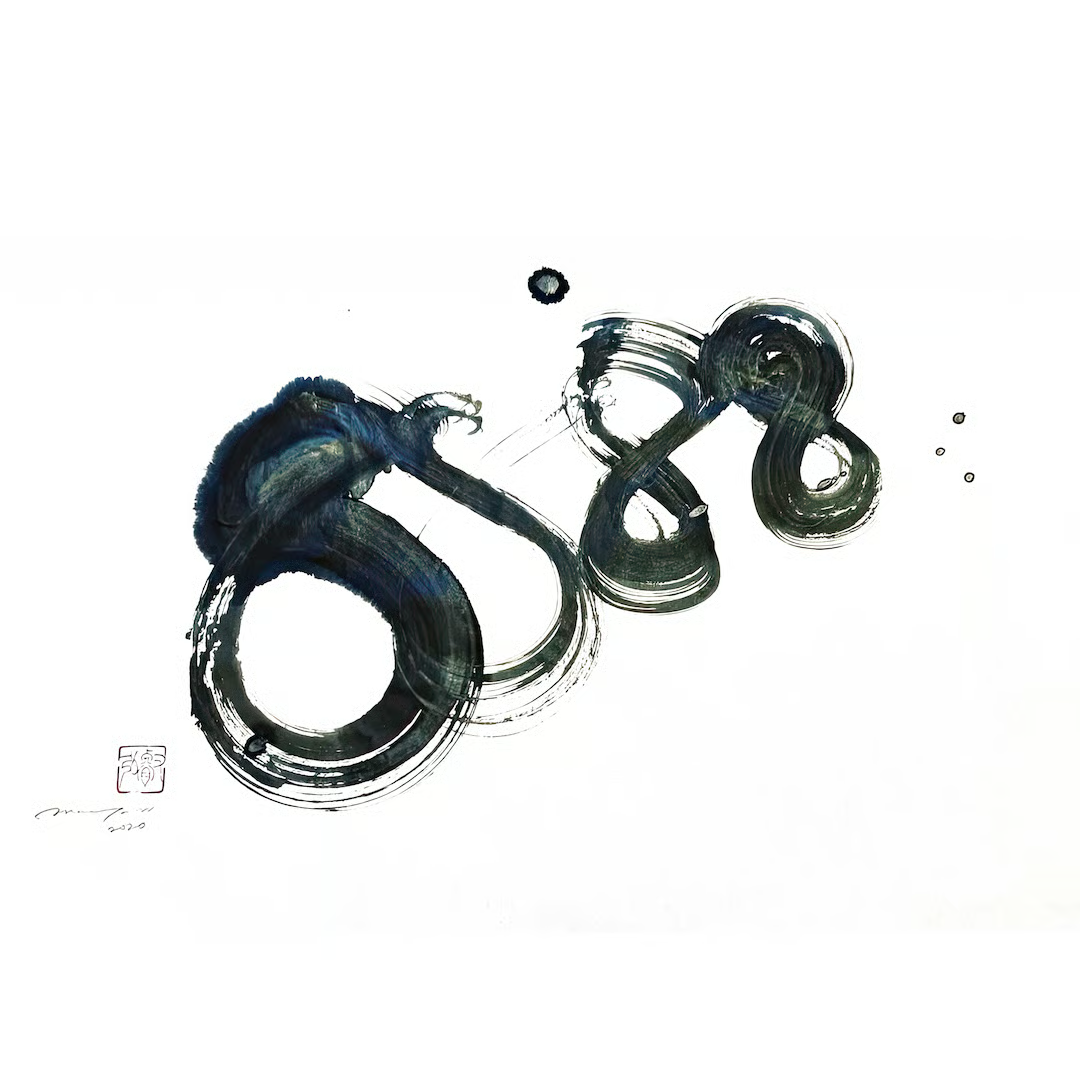
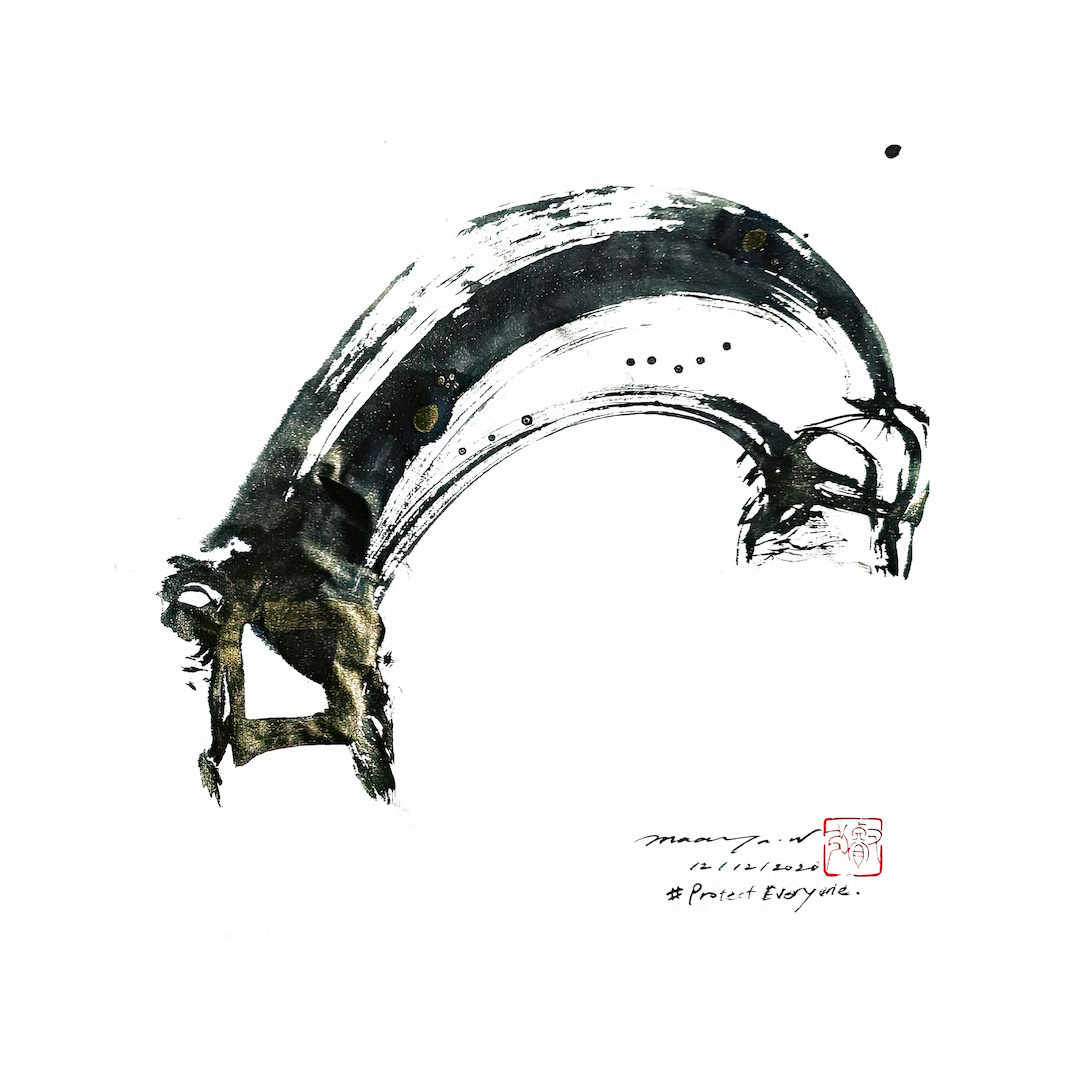
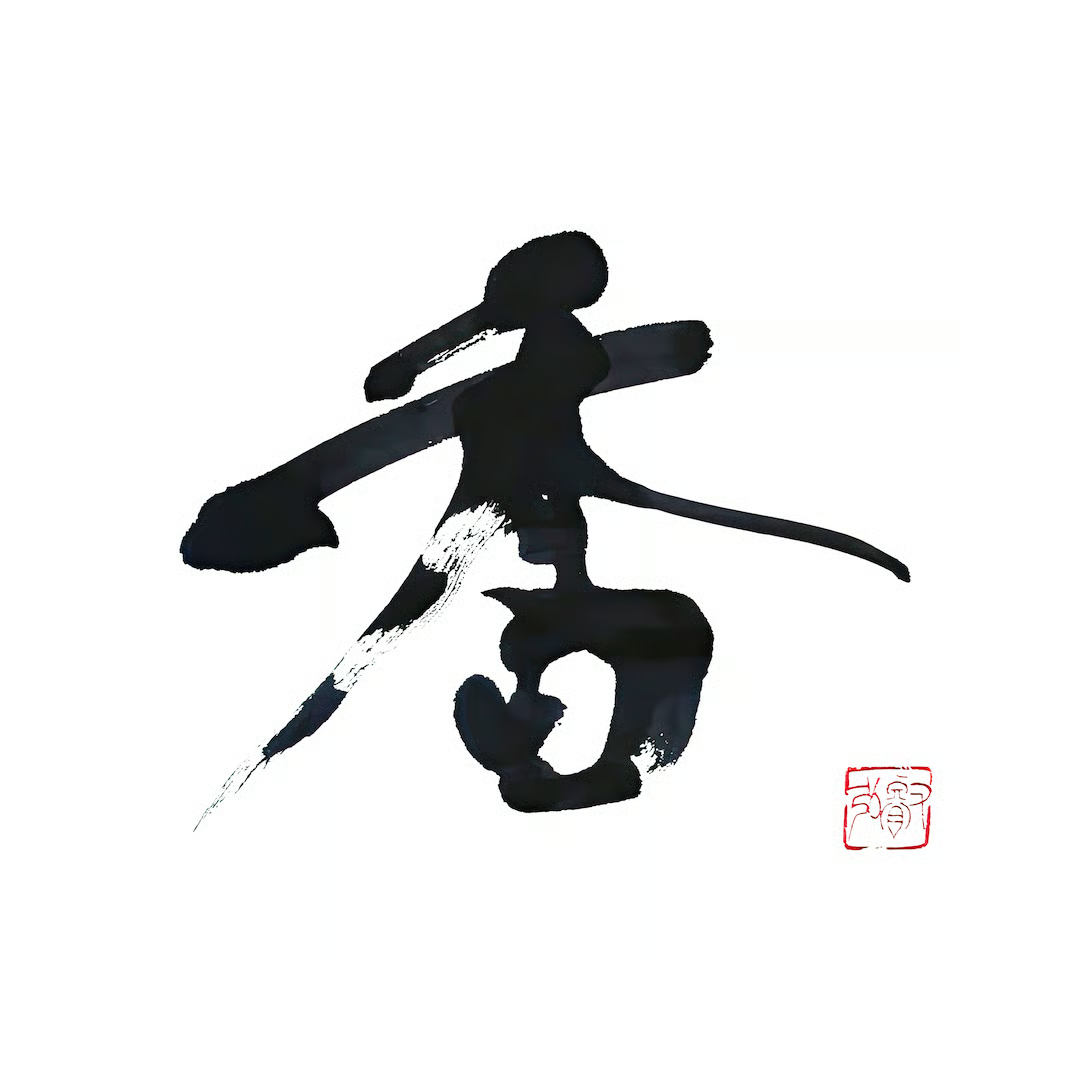
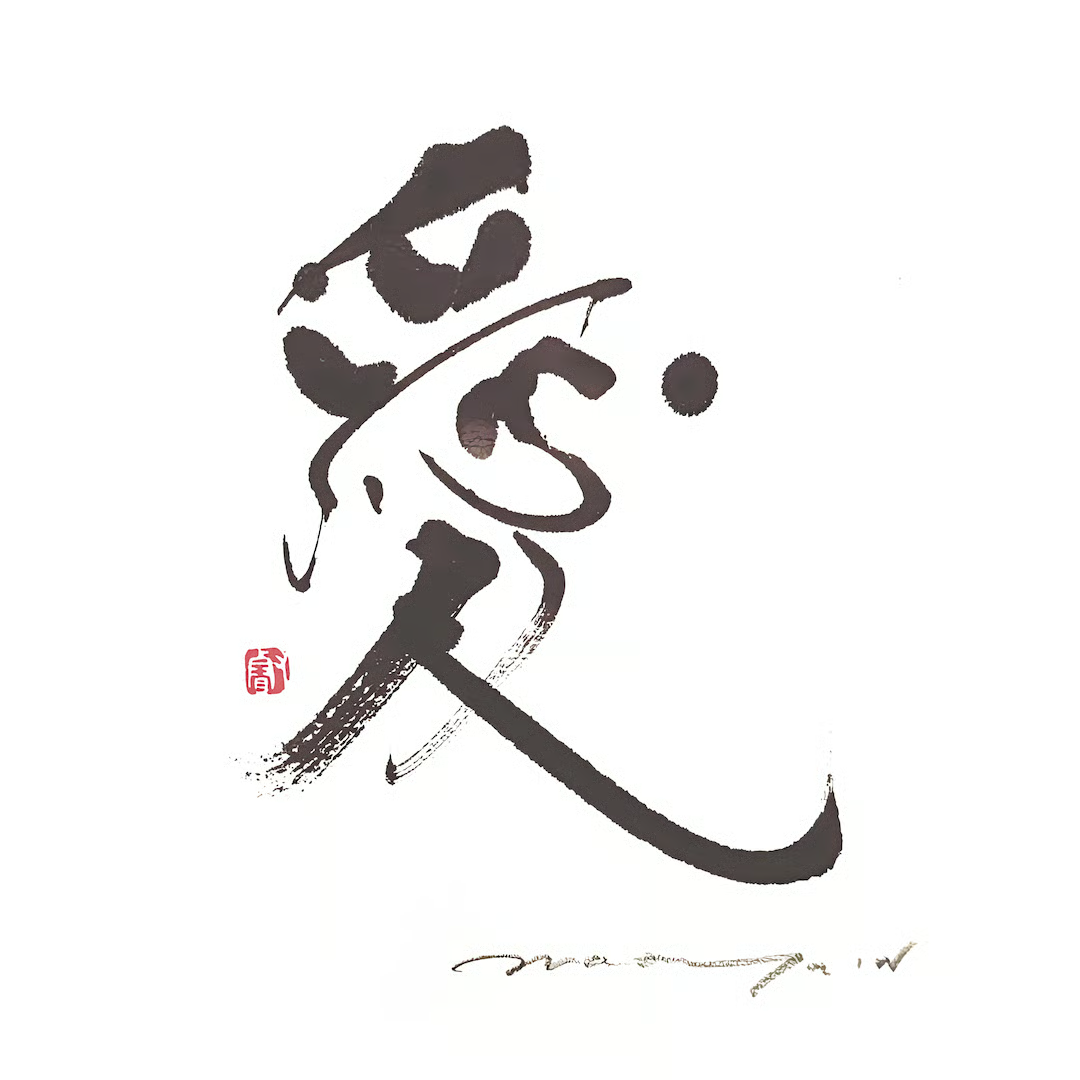
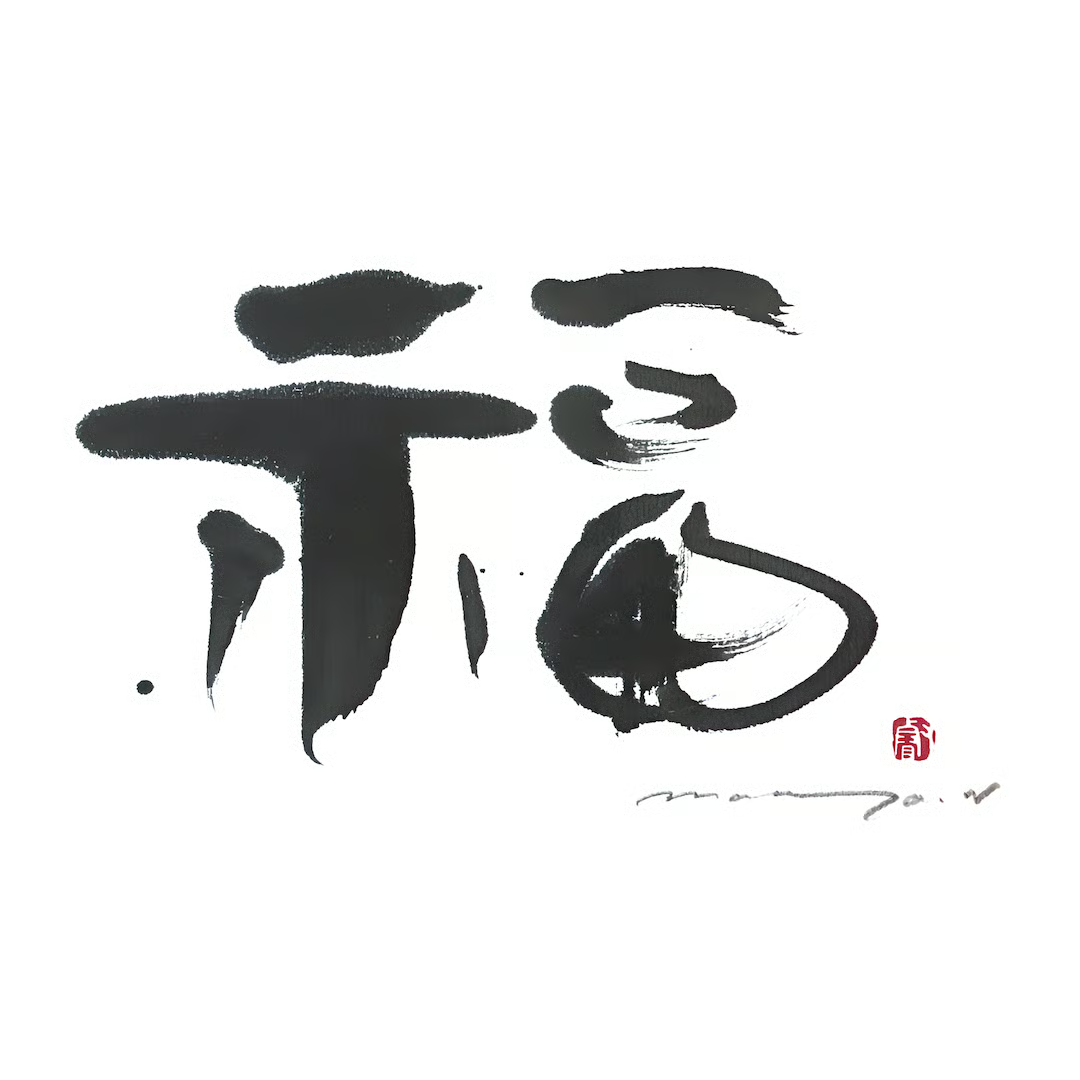
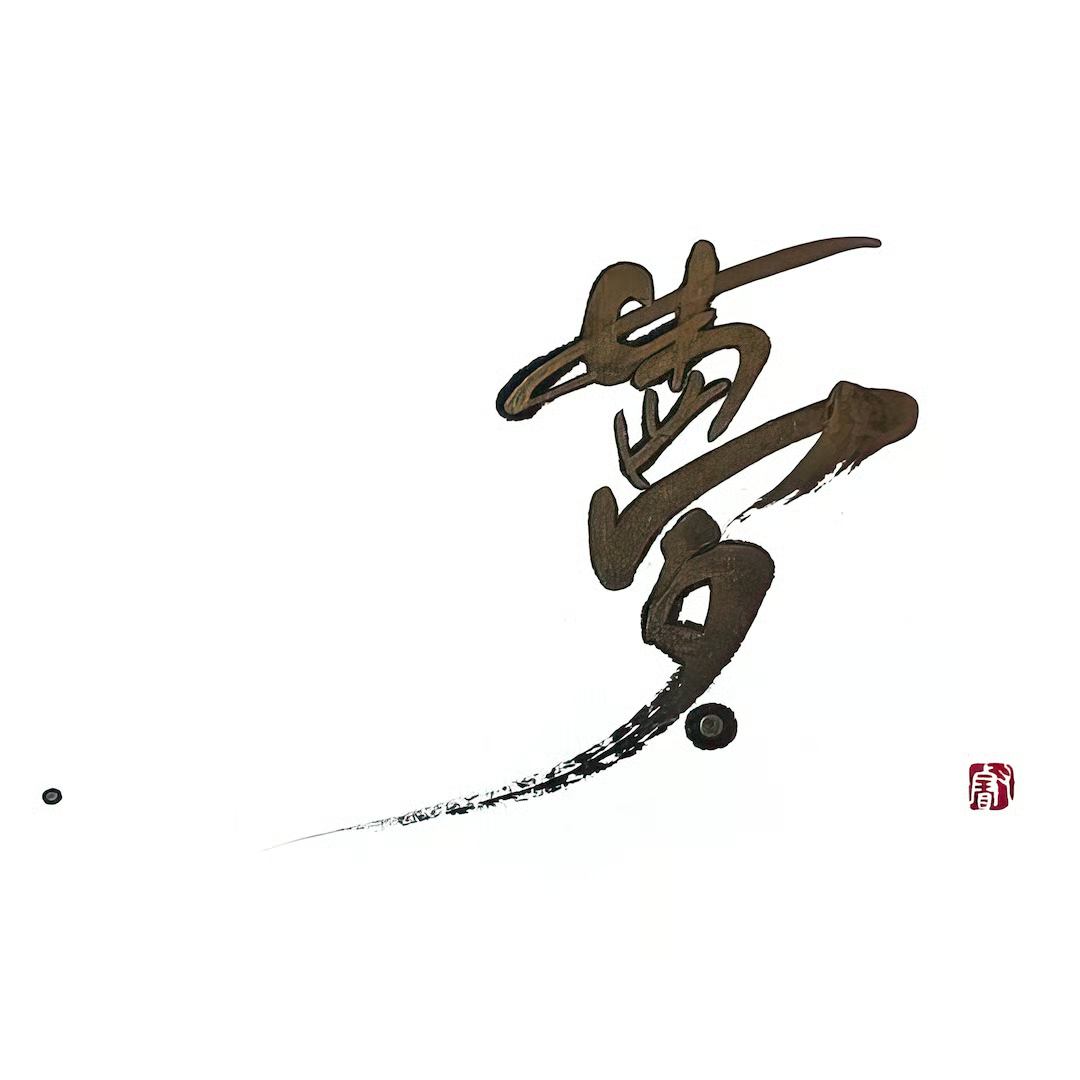
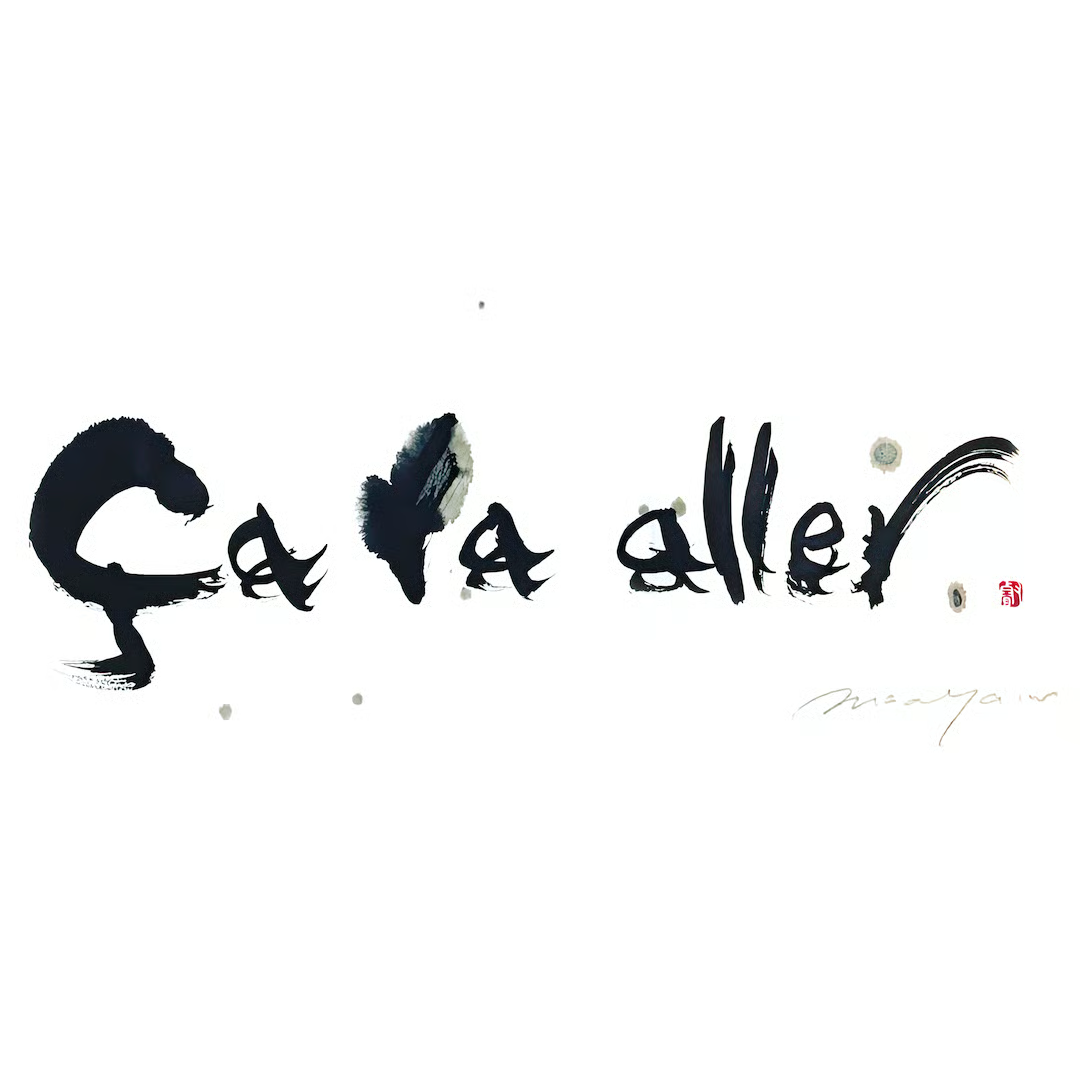
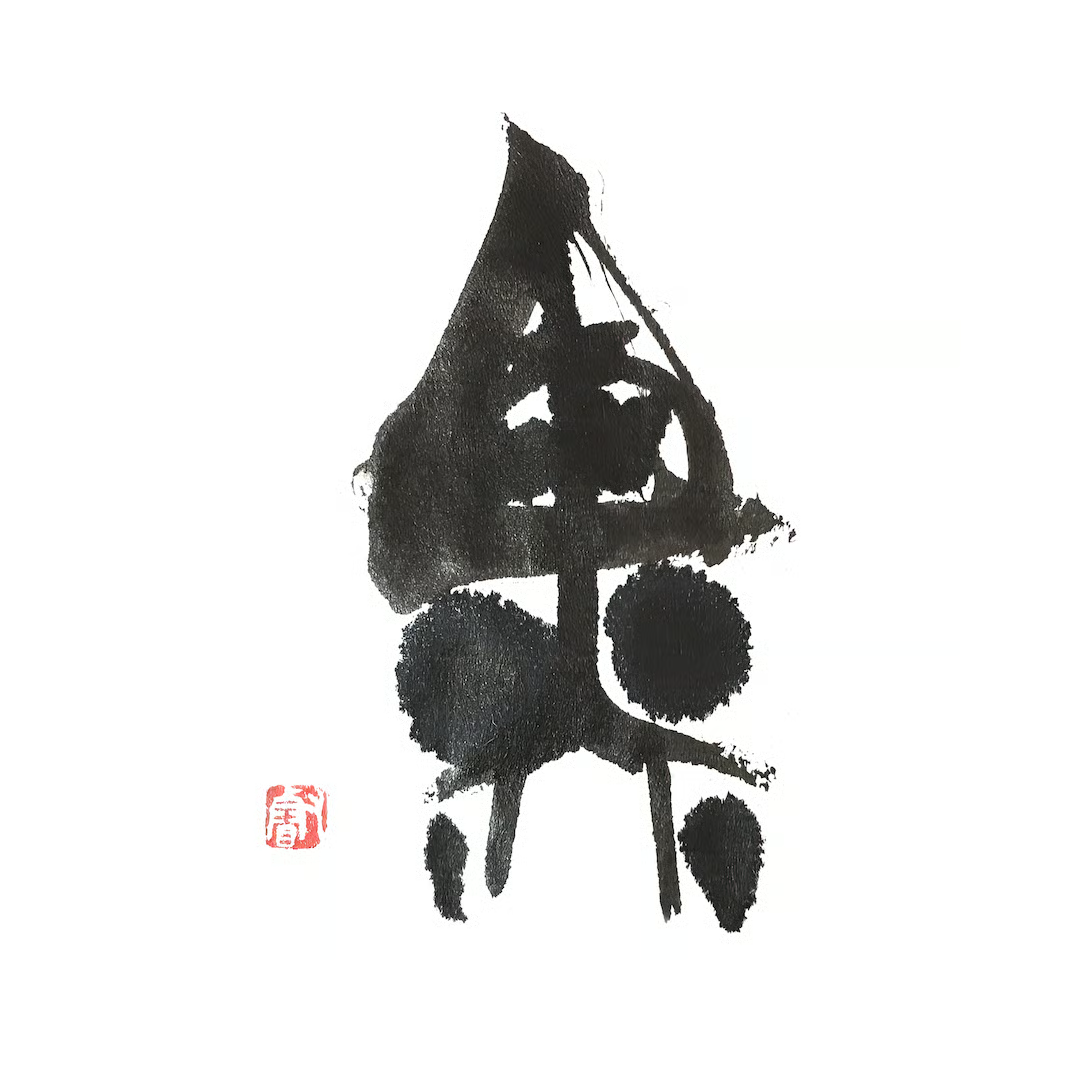
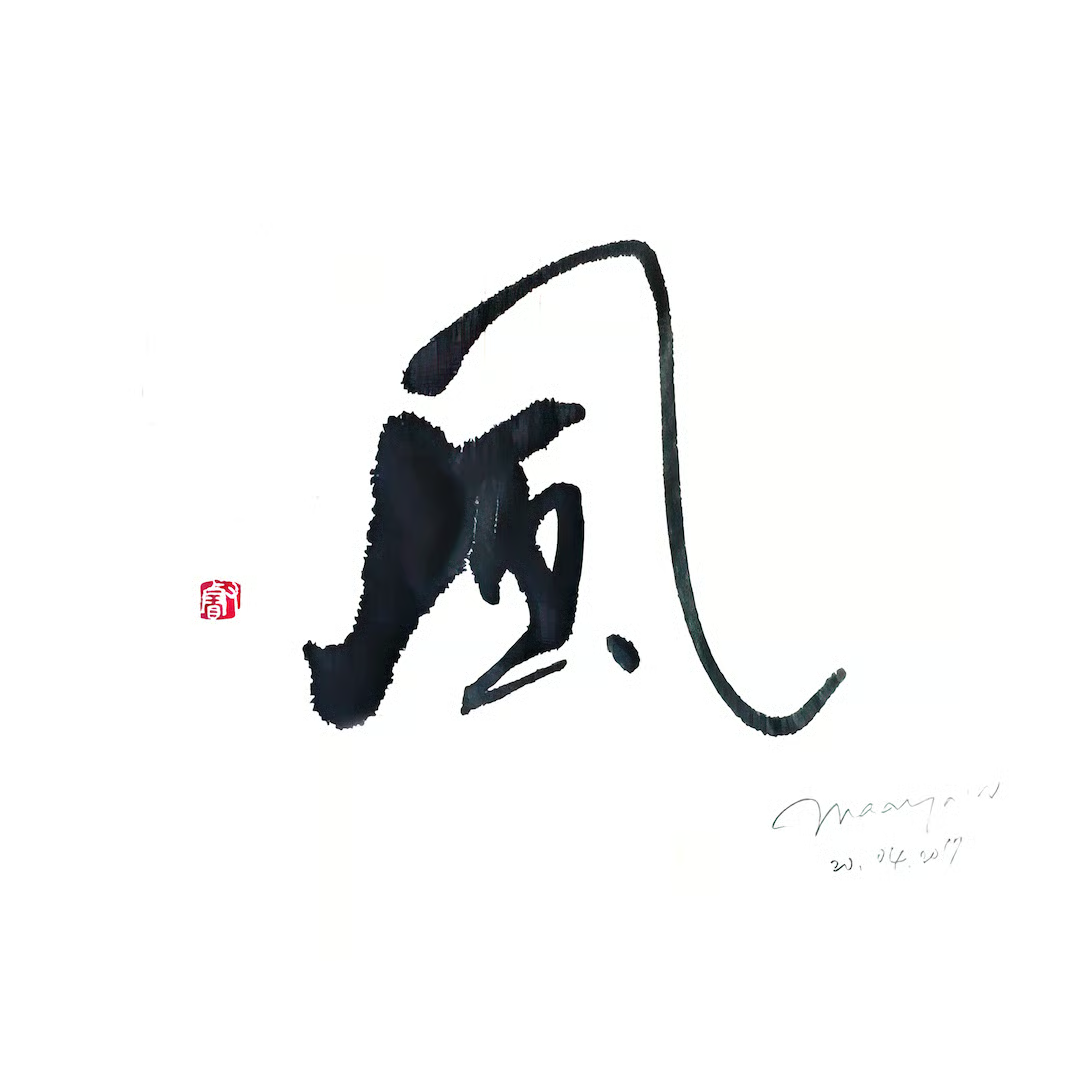
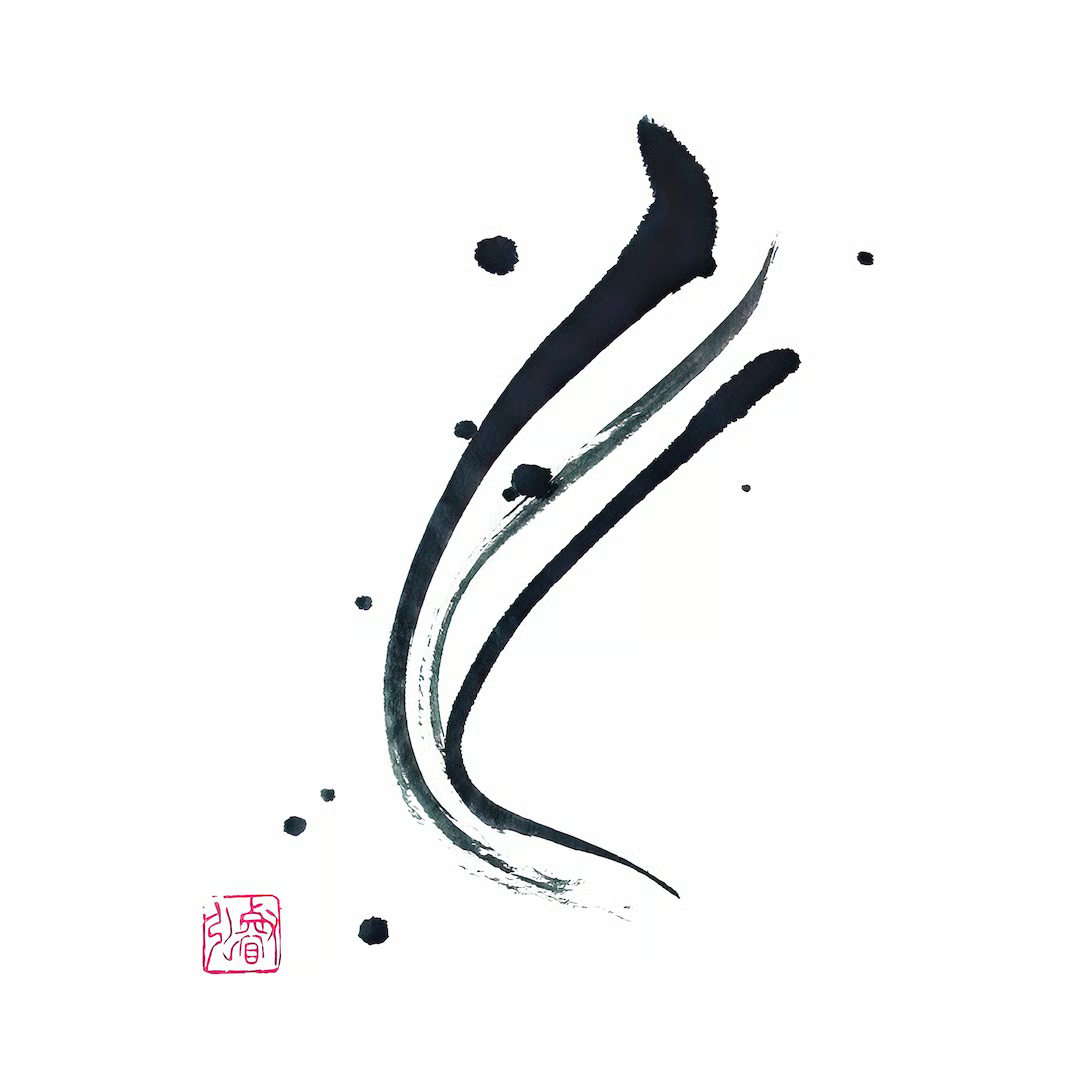
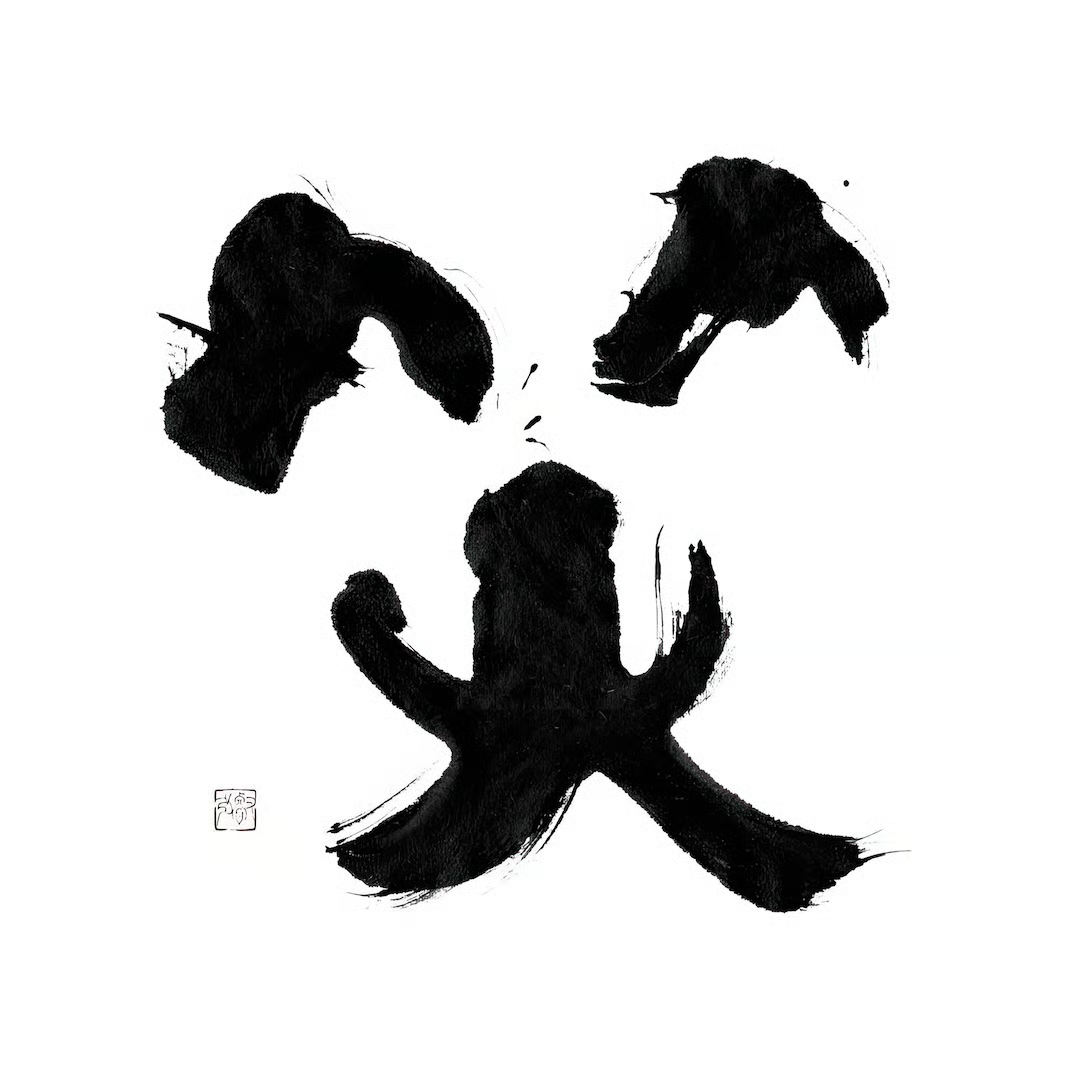
When speaking of Maaya’s calligraphy, one cannot overlook his work that became the title logo of the NHK’s historical TV series “Onna Joushu Naotora” in 2017. It was an unparalleled opportunity to reach a broad audience. Maaya used the powerful, carving-like lines he had admired and mastered since his youth to create compelling calligraphy, further highlighted by the dynamic sense of the brush and resulting ink splatter. Although paper is a two-dimensional medium, the presence of carving-like lines aiming downwards and ink droplets that seem to jump onto the paper surface creates a three-dimensional effect due to the contradictory vectors. Maaya is keenly aware of the “sense of depth,” the source of emotion, whether in his calligraphy or transforming the stage into a canvas.
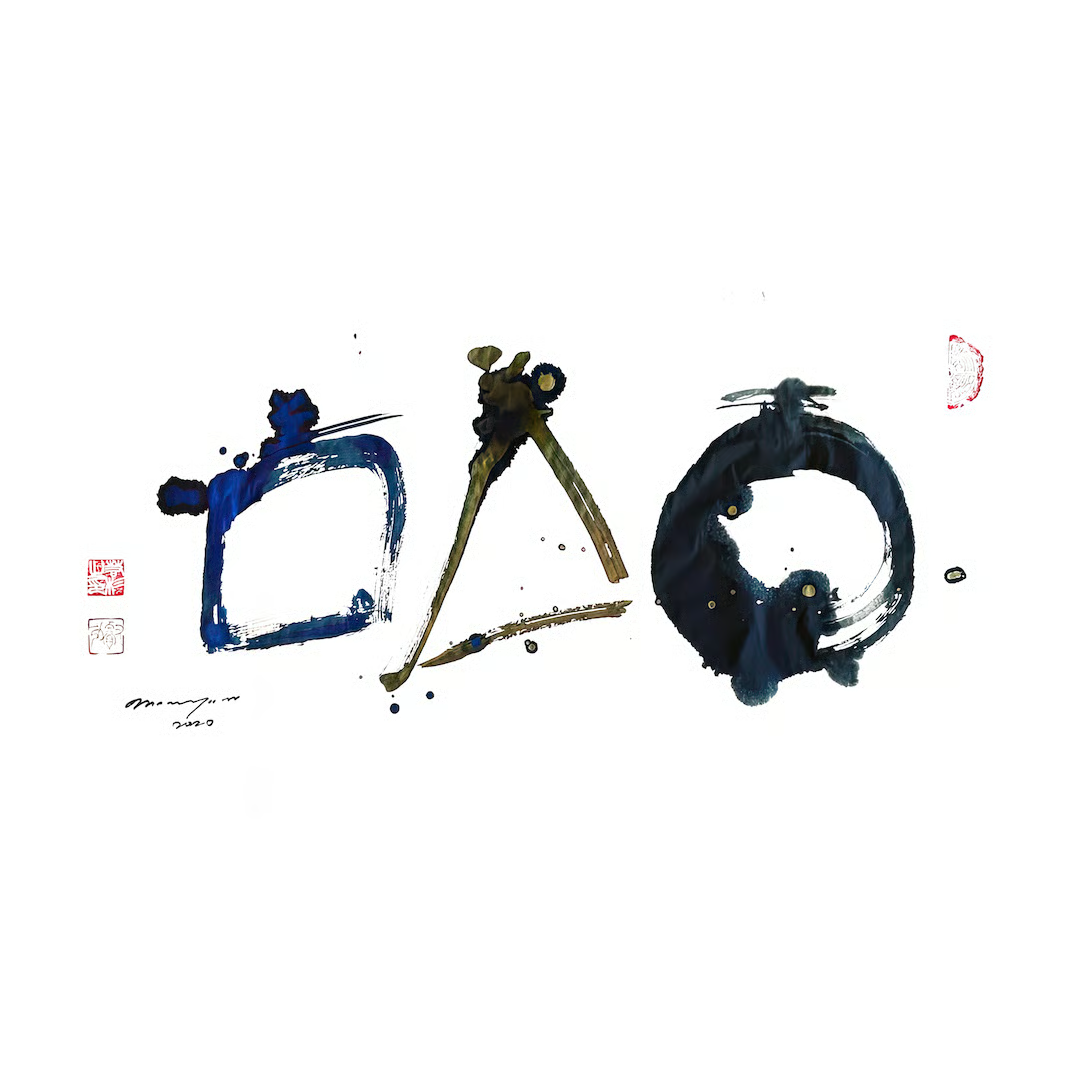
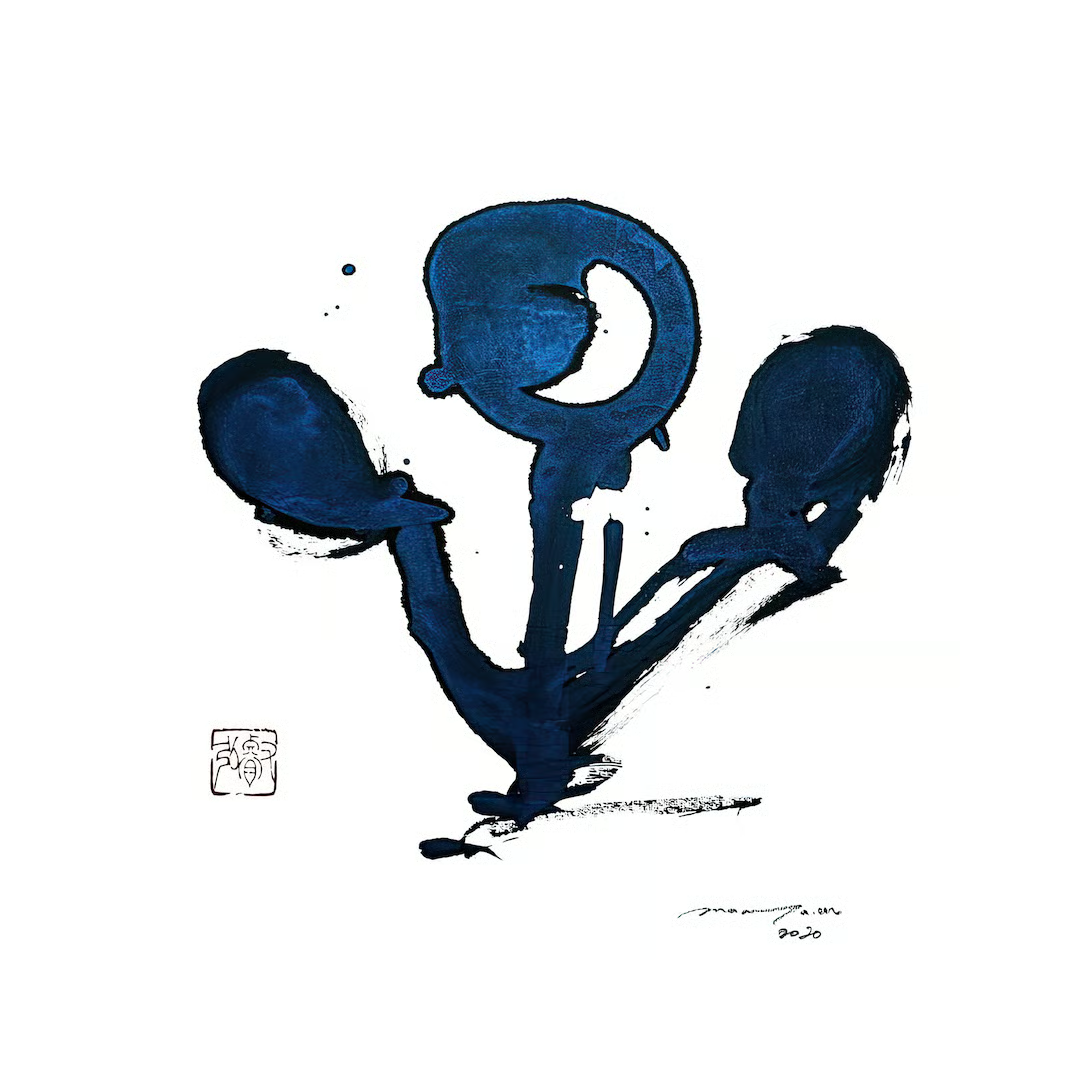
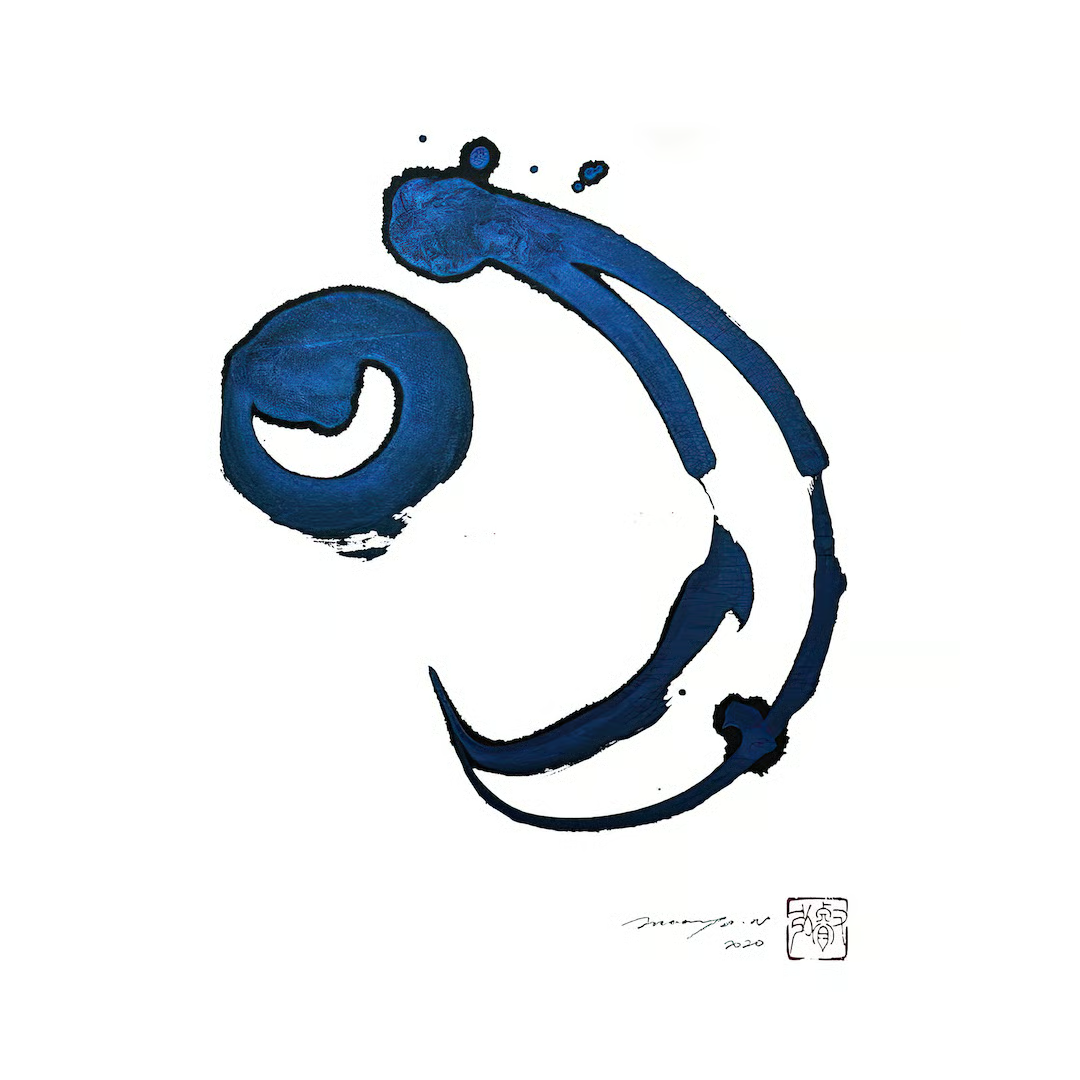
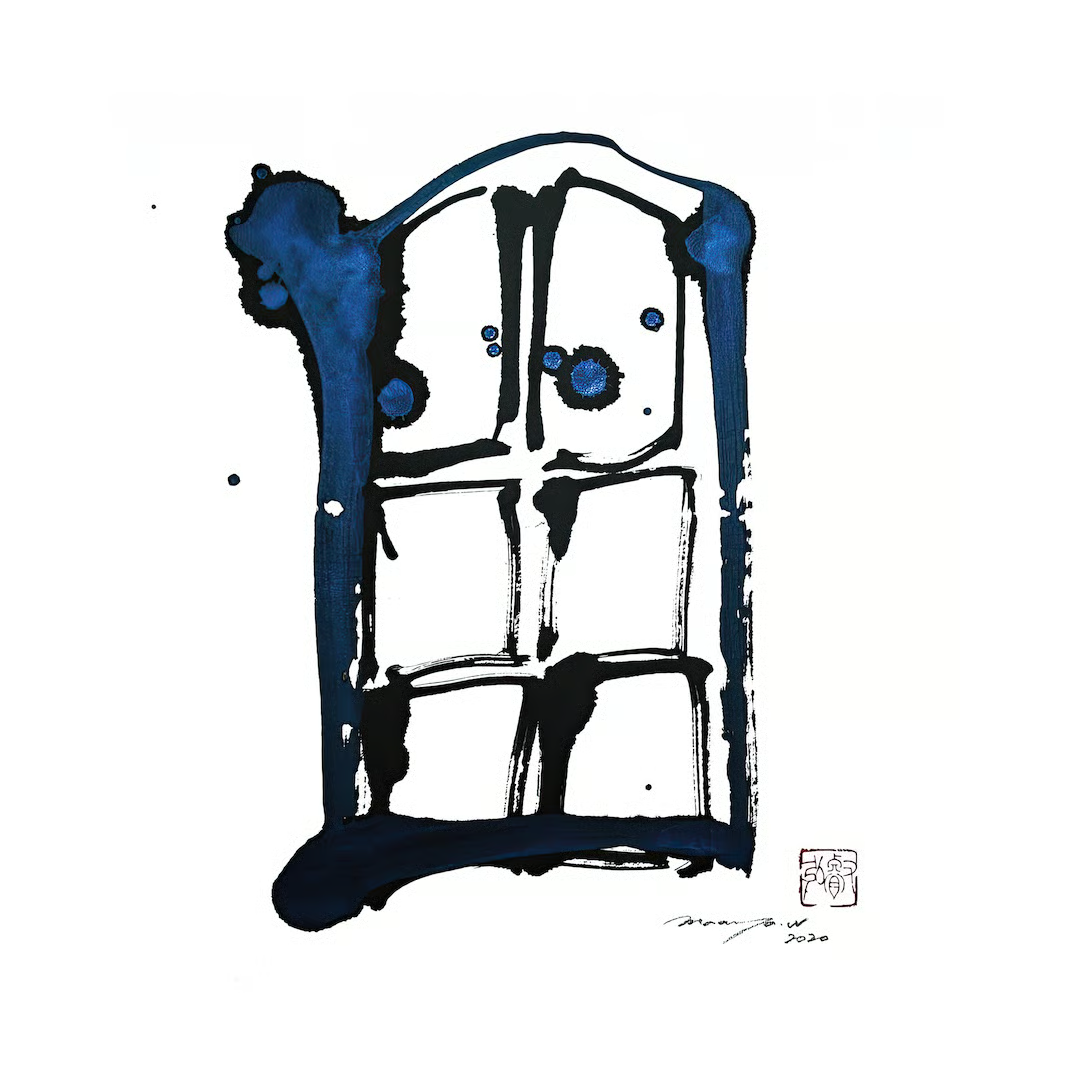
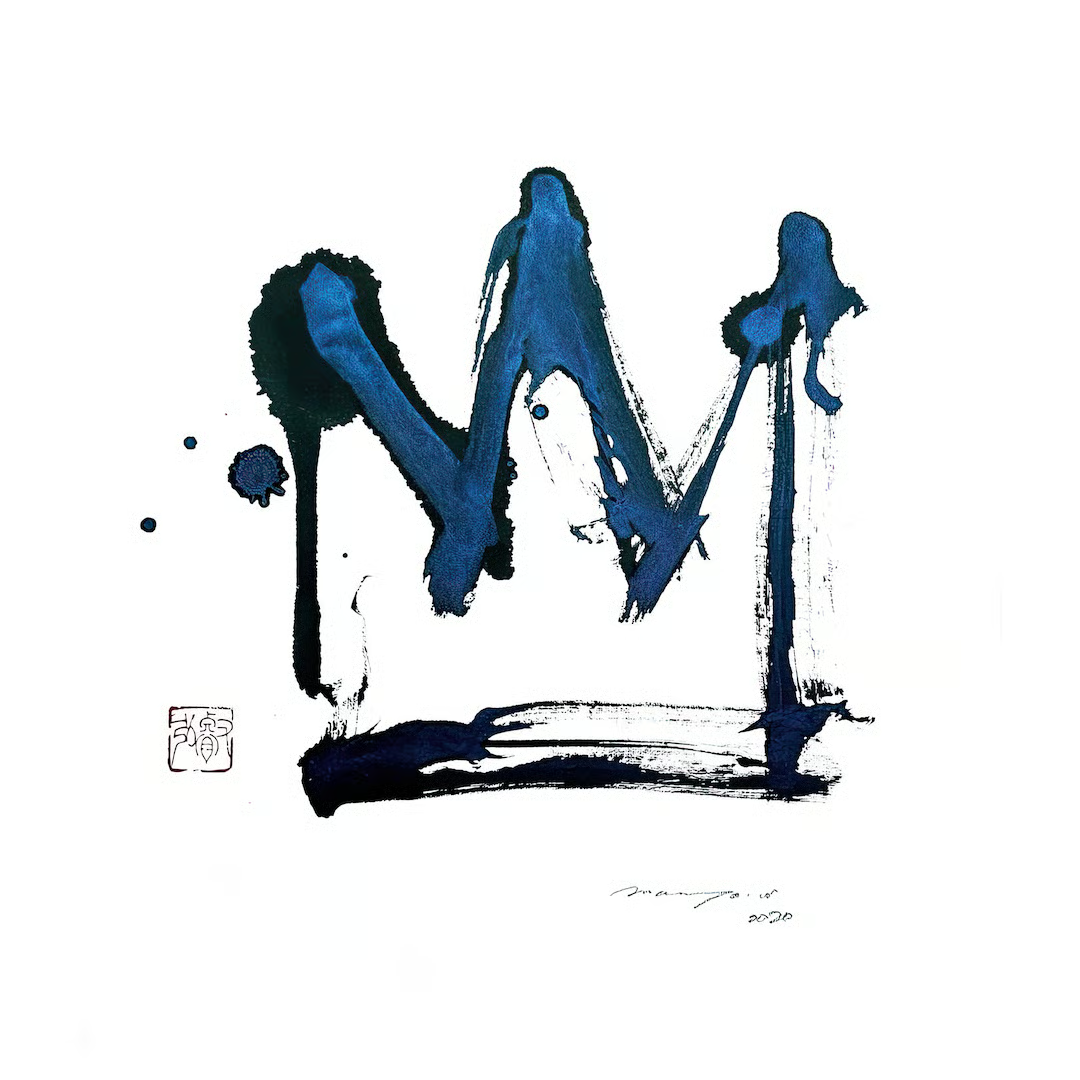
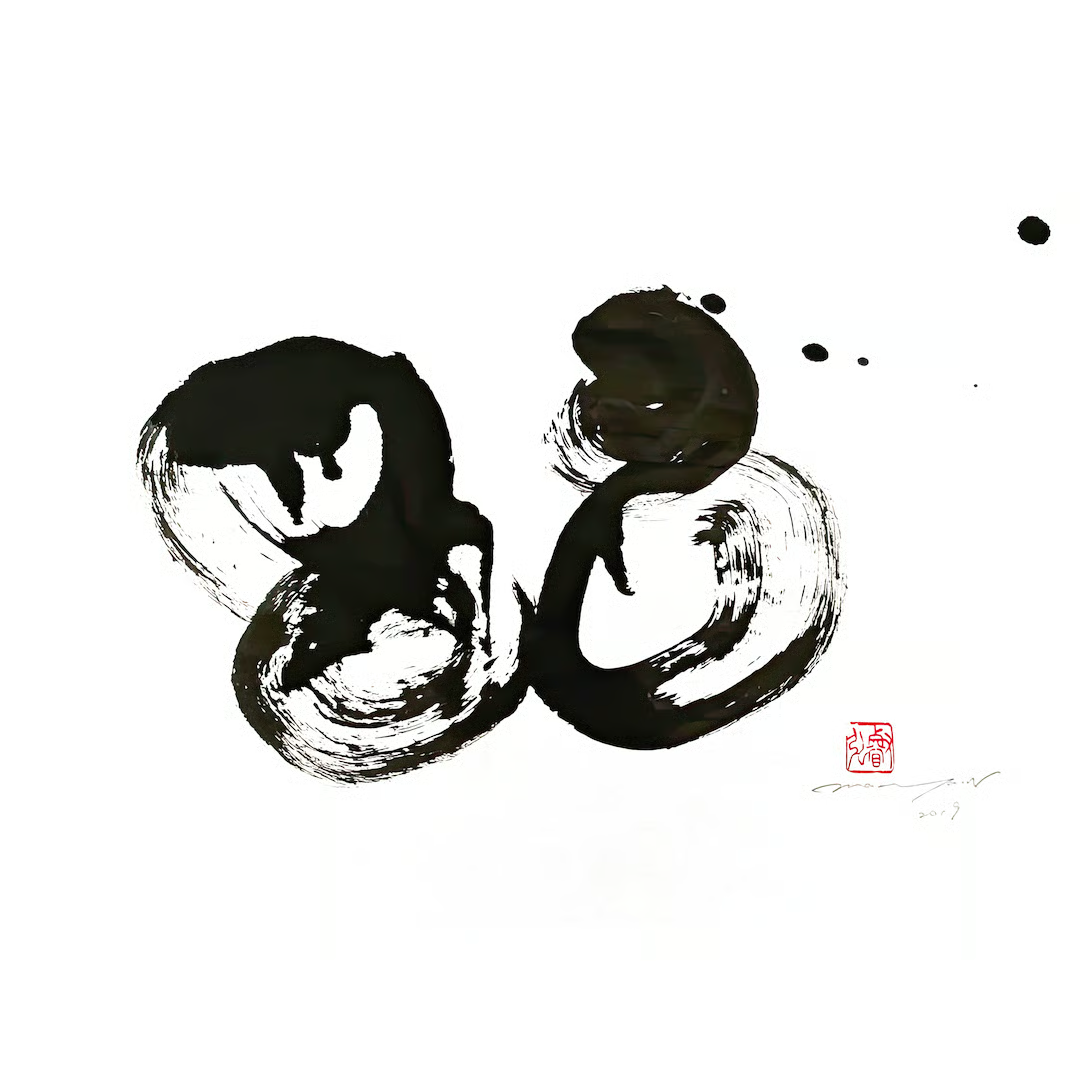
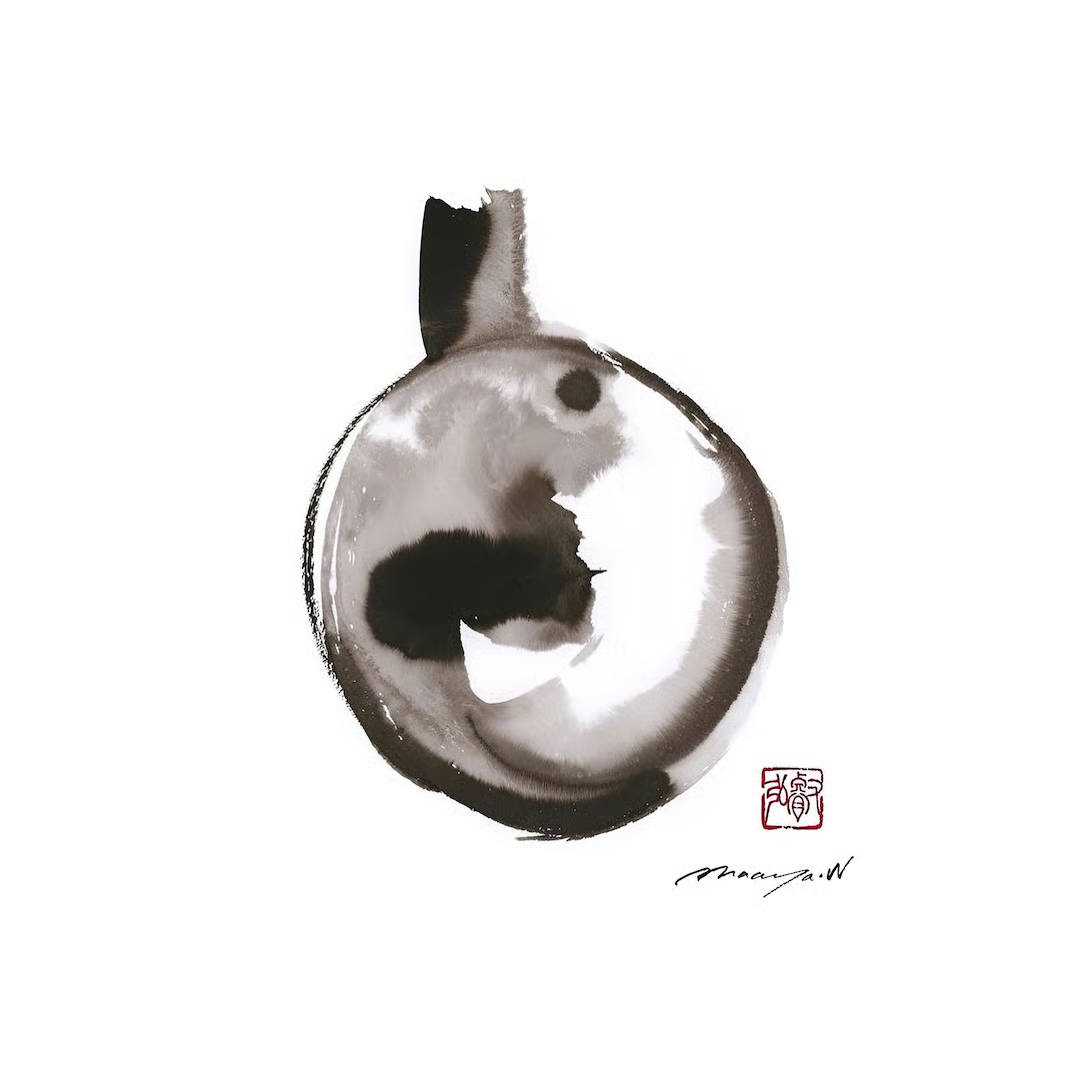
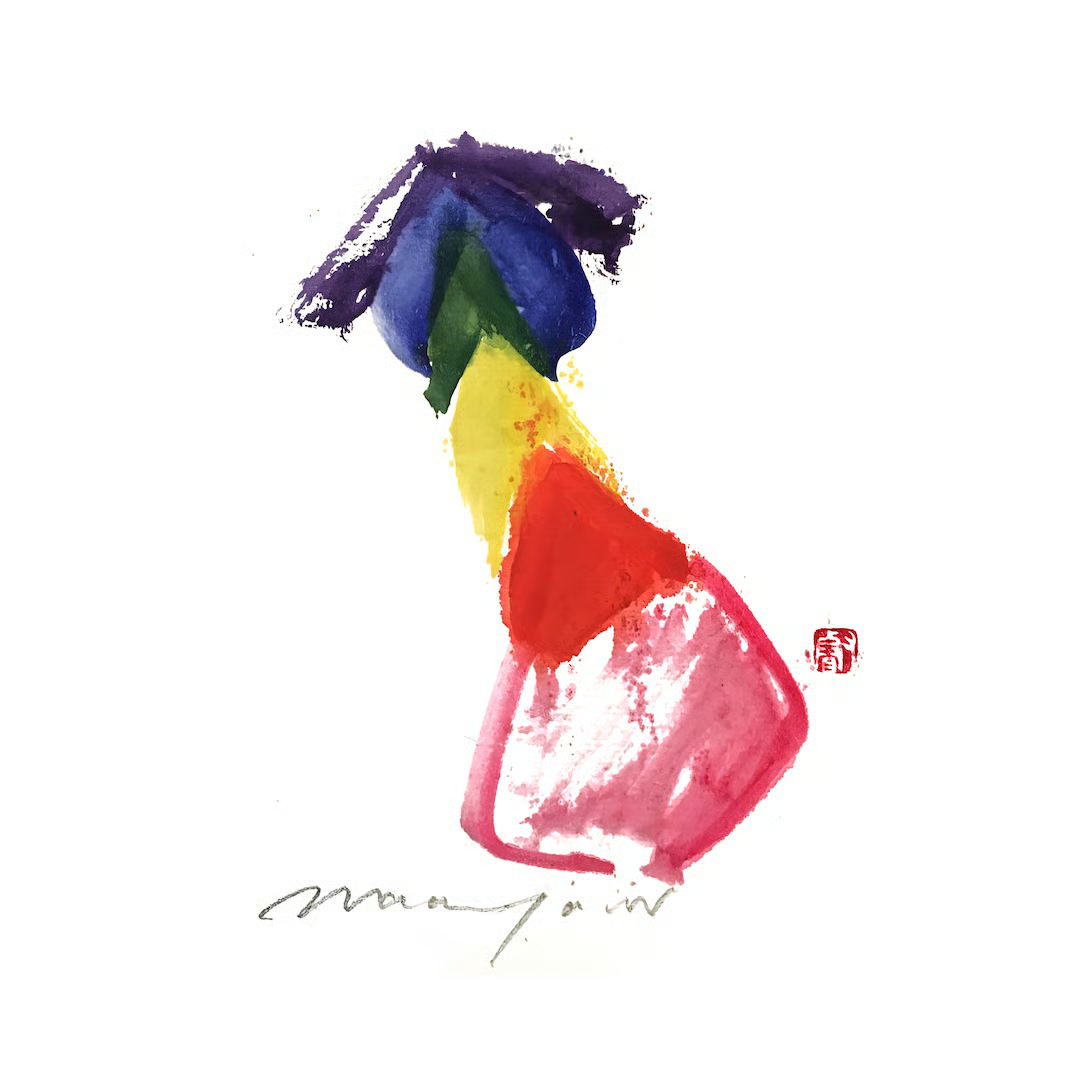
The coexistence of two opposing elements in one place is referred to as “Yin and Yang” in Eastern philosophy, and Maaya’s art expression embodies the harmony of Yin and Yang. Now based in Bordeaux, France, with his studio, he has shifted his medium from washi paper to canvas. To other calligraphers, the choice of a thick fabric that does not absorb ink might seem unbelievable, but Maaya says with a smile “it is not a challenge, but an adventure”. Starting to study painting at the École des Beaux-Arts in Bordeaux and sincerely engaging with canvas deepened his understanding of Eastern “calligraphy.” On the canvas, he places paint and performs a once-in-a-lifetime dance on its layered stage. That is the form of Maaya’s “calligraphy.”
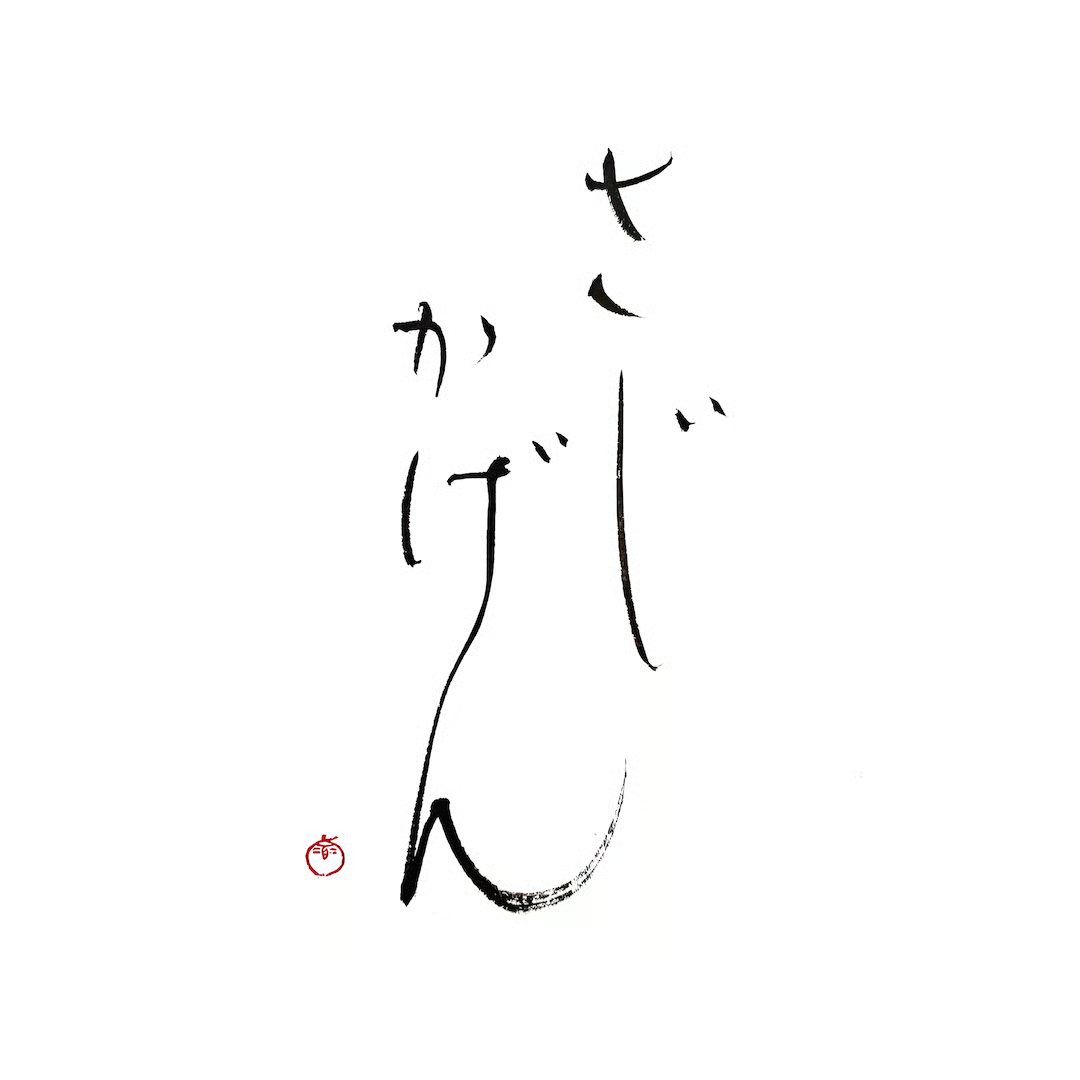
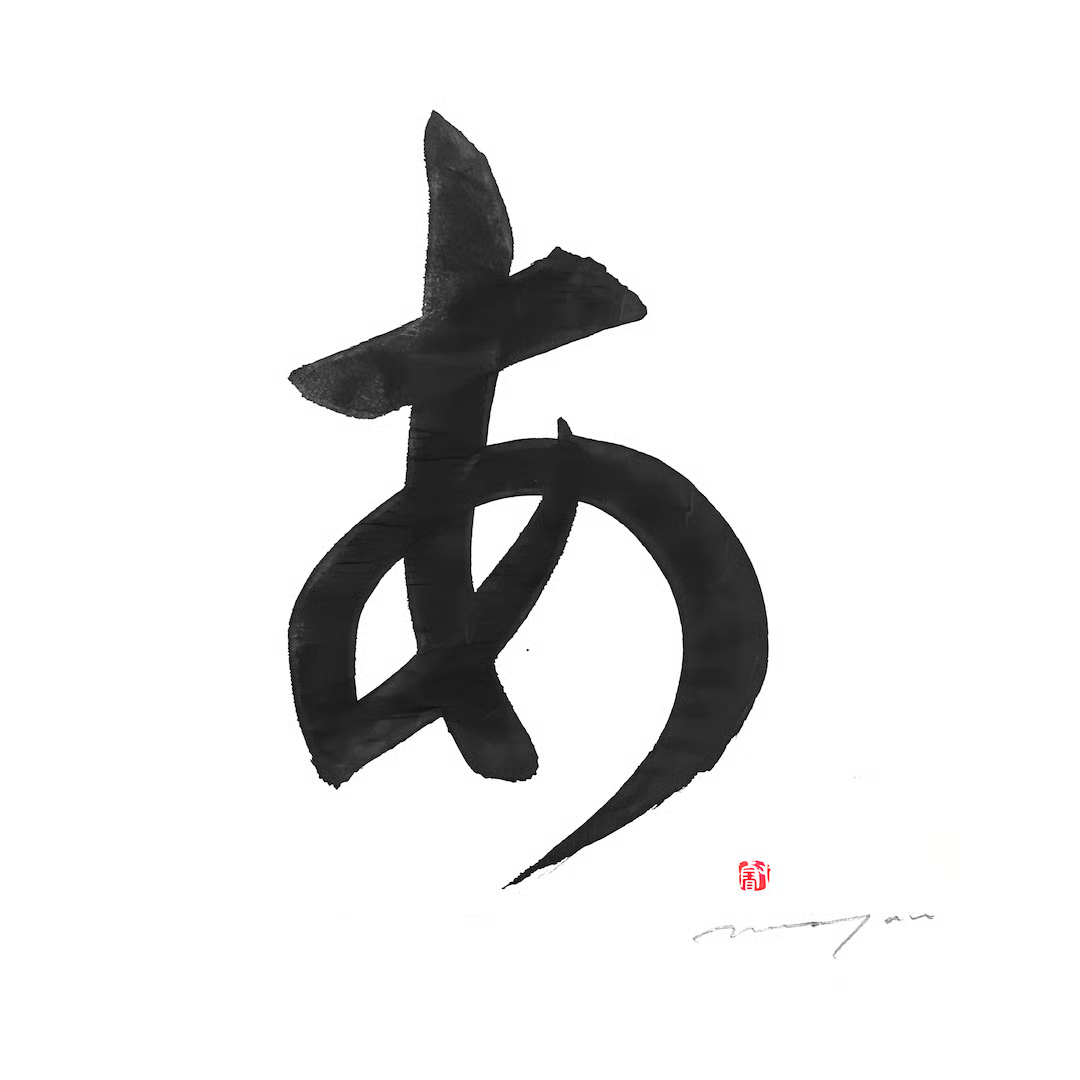
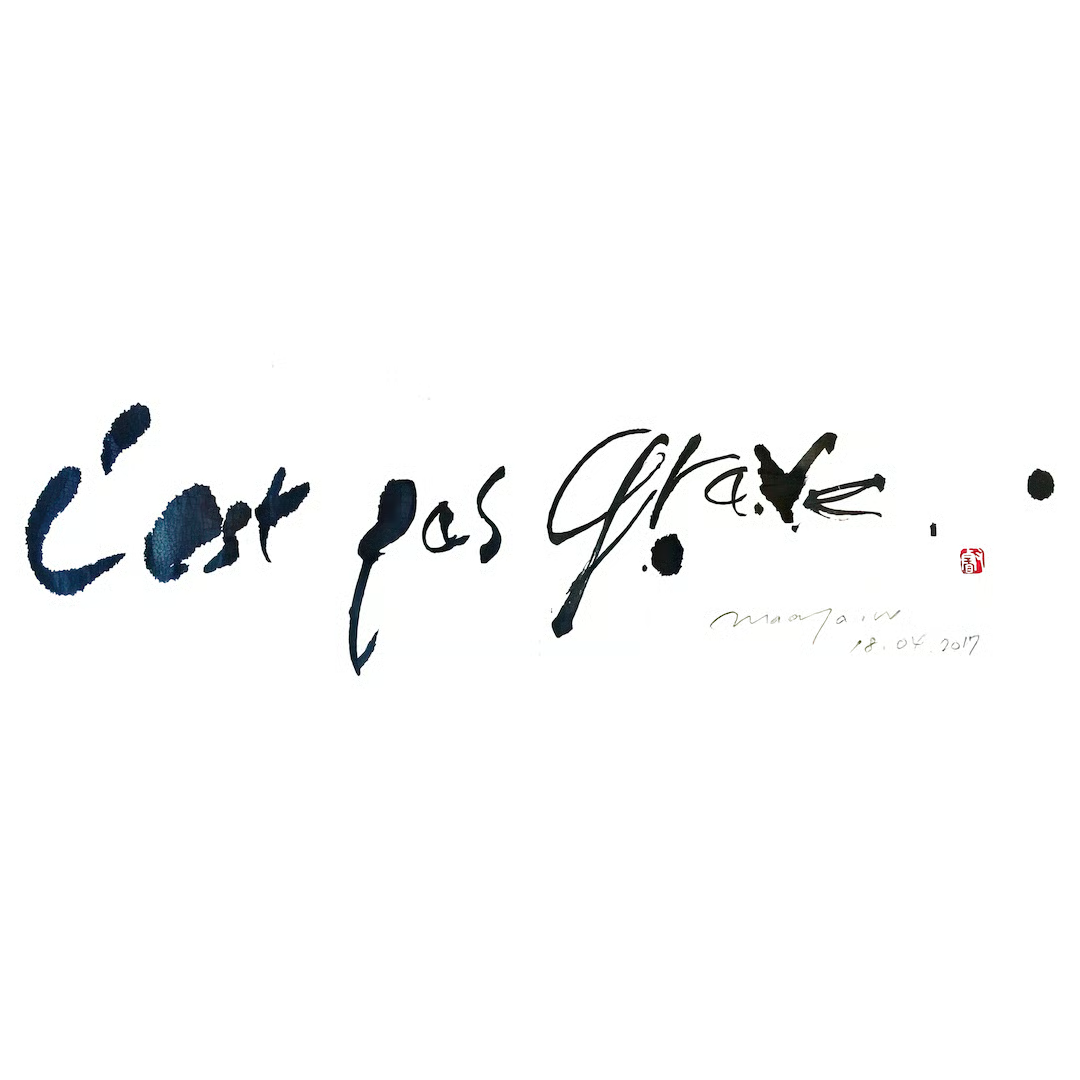
“Western” and “Eastern,” building up and carving away. Aware of his sexual minority status and in the past performed as a drag queen, Maaya embodies both “male” and “female” within him. Indeed, the keyword in Maaya Wakasugi’s art expression would be the harmony of Yin and Yang. Calligraphy, no matter what, cannot be separated from “characters.” The same applies to Maaya’s calligraphy. However, starting with a consciousness of characters and gaining inspiration, he then transcends the confines of words to express what he believes to be himself. It’s akin to free verse haiku. First, there’s an awareness of form, but then, emphasis is placed on emotions that cannot be confined by it.
“How wonderful it would be if we could laugh and forgive each other simply because we are all human.”
This is a phrase Maaya encountered in his teens, published in a calligraphy magazine at the time. In recent years, Maaya has battled a serious illness. Gratitude for life is also one of the factors that make his works shine. Deprivation becomes the greatest vitality in art expression, but it is precisely because he has been tormented by dualities more than anyone else that his creations embody the harmony of Yin and Yang and a warm perspective towards “harmony.”