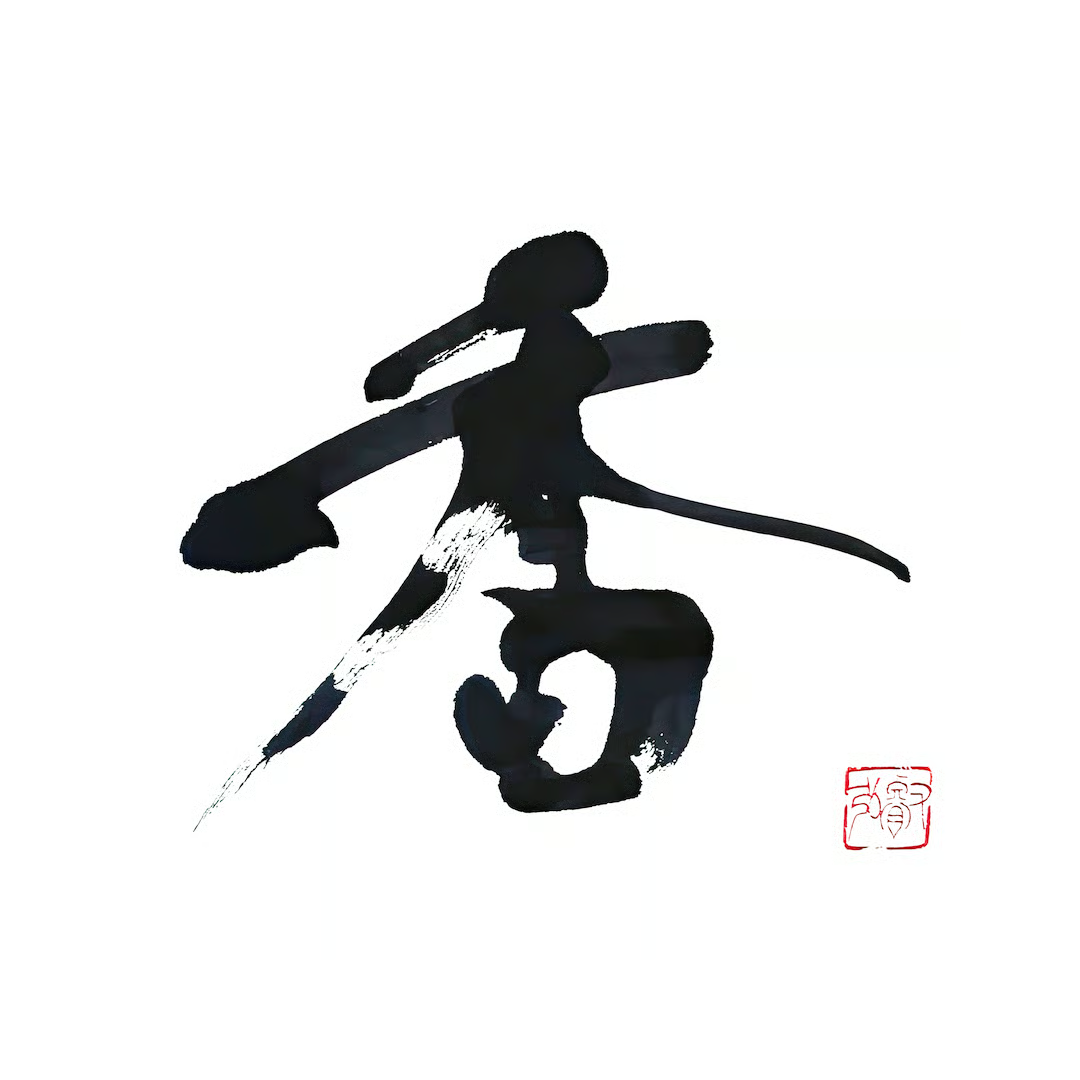
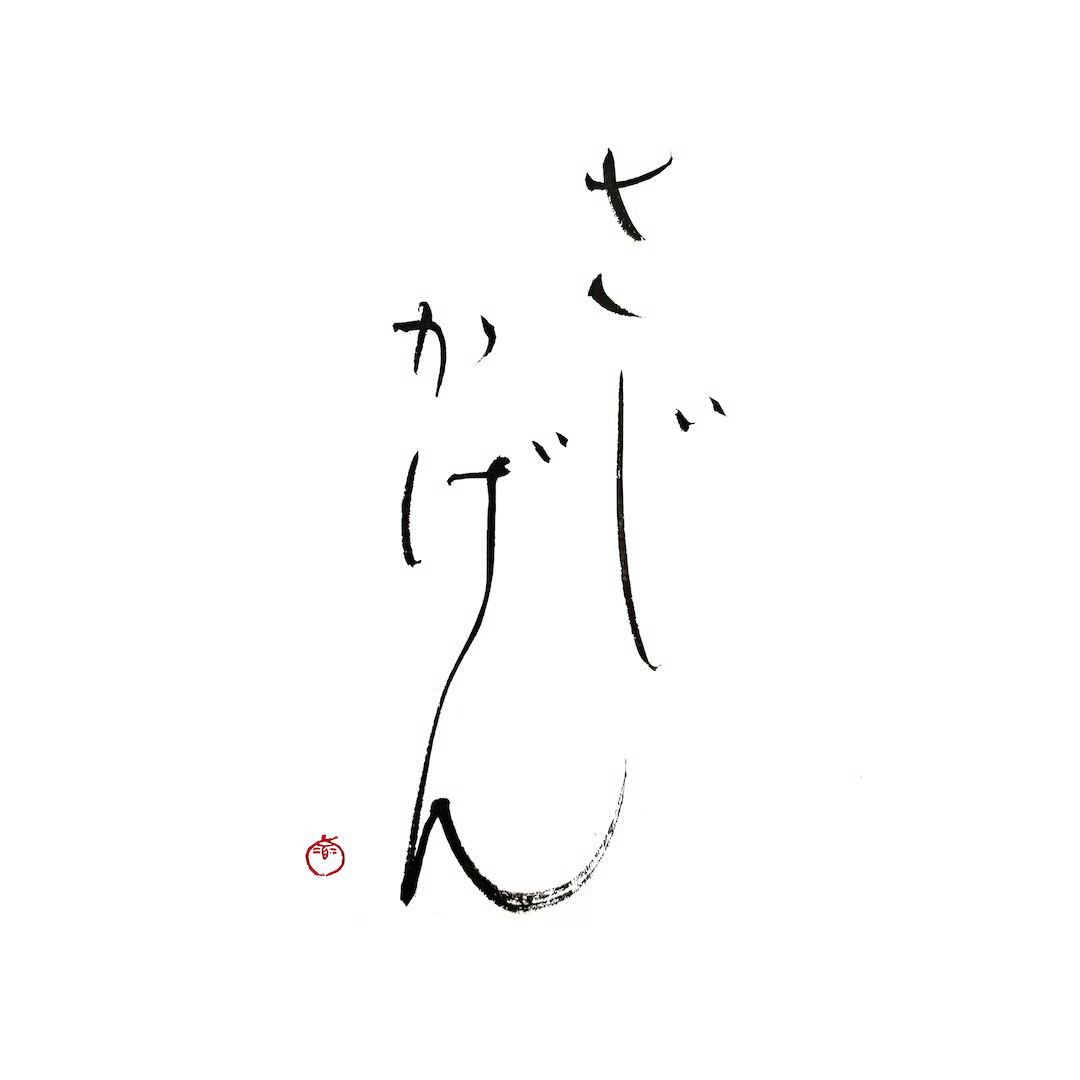
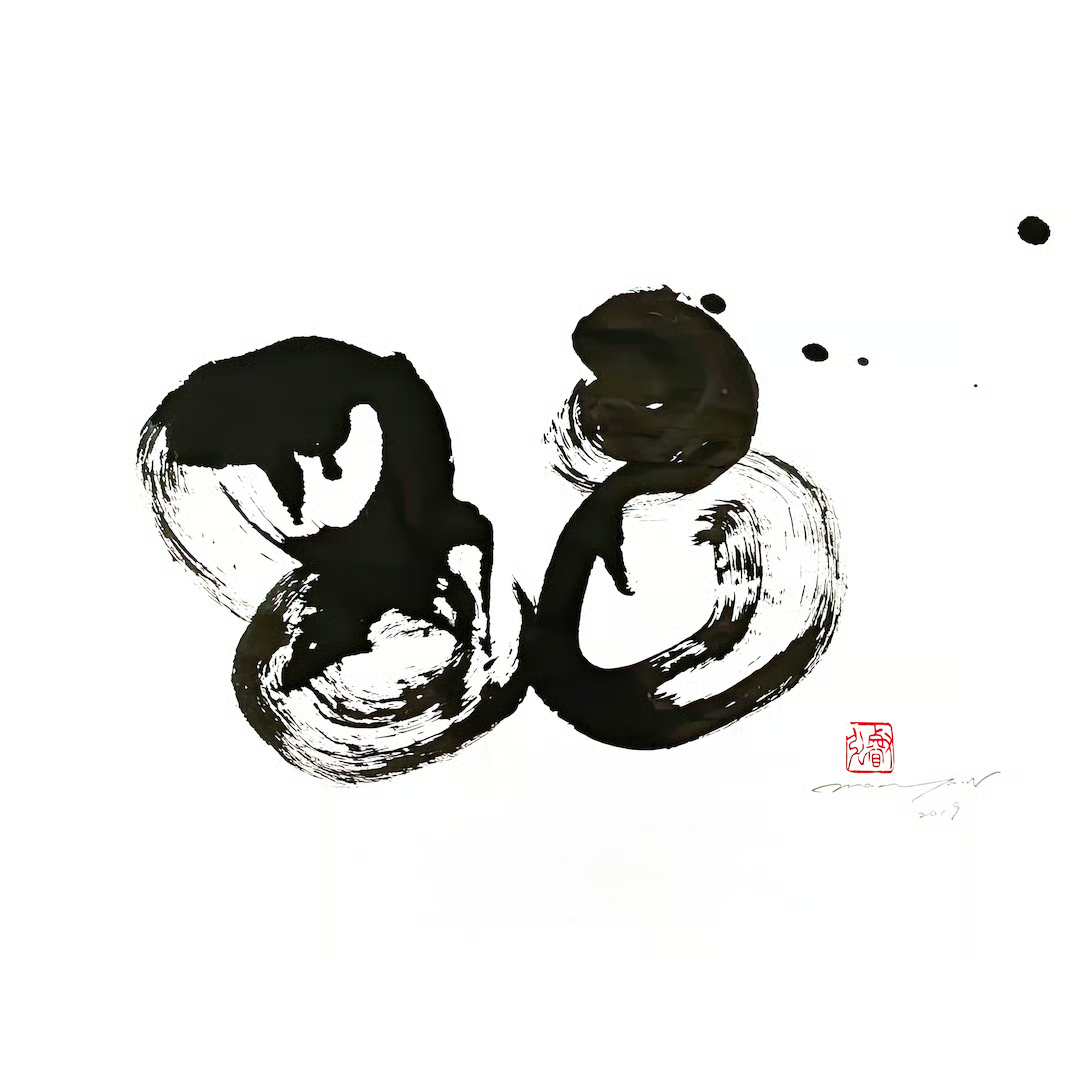
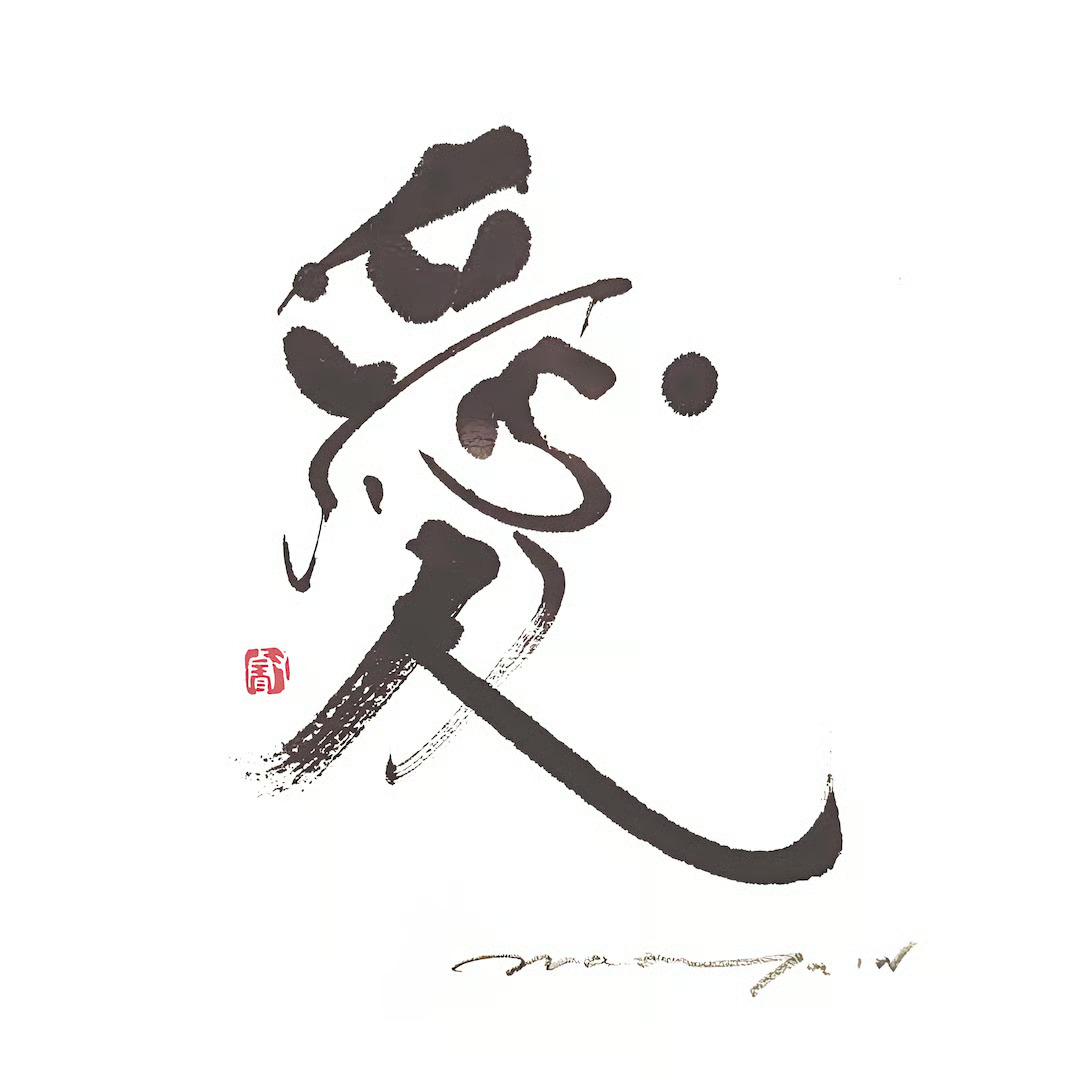
Workshop
Connecting the World Through Calligraphy
Workshops by Maaya Wakasugi – Cultural dialogue, sensibility, and diversity through the art of calligraphy
The scent of ink. The weight of the inkstone.
The movement of the brush, the way ink seeps into paper.
A moment in which characters speak to the heart, beyond words.
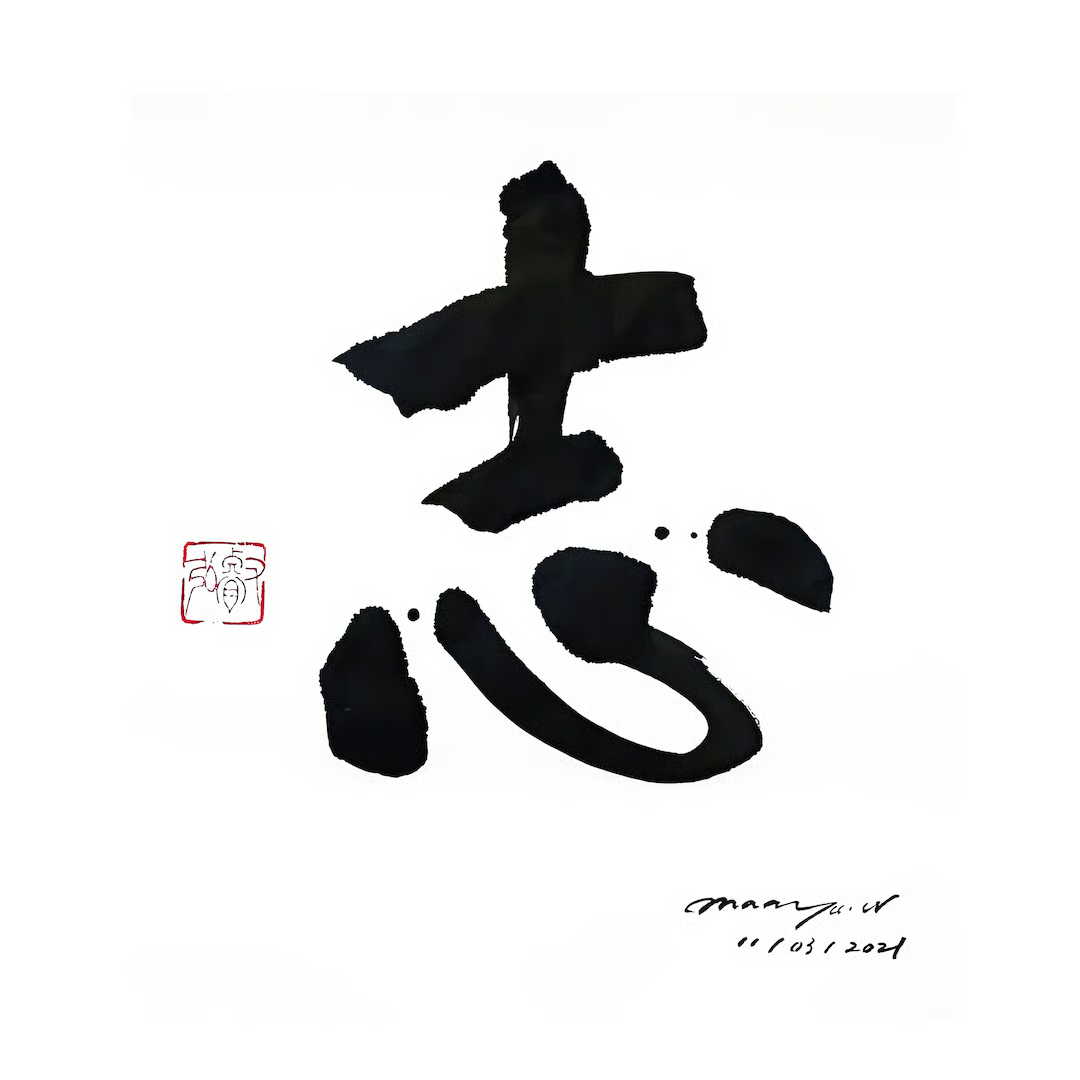
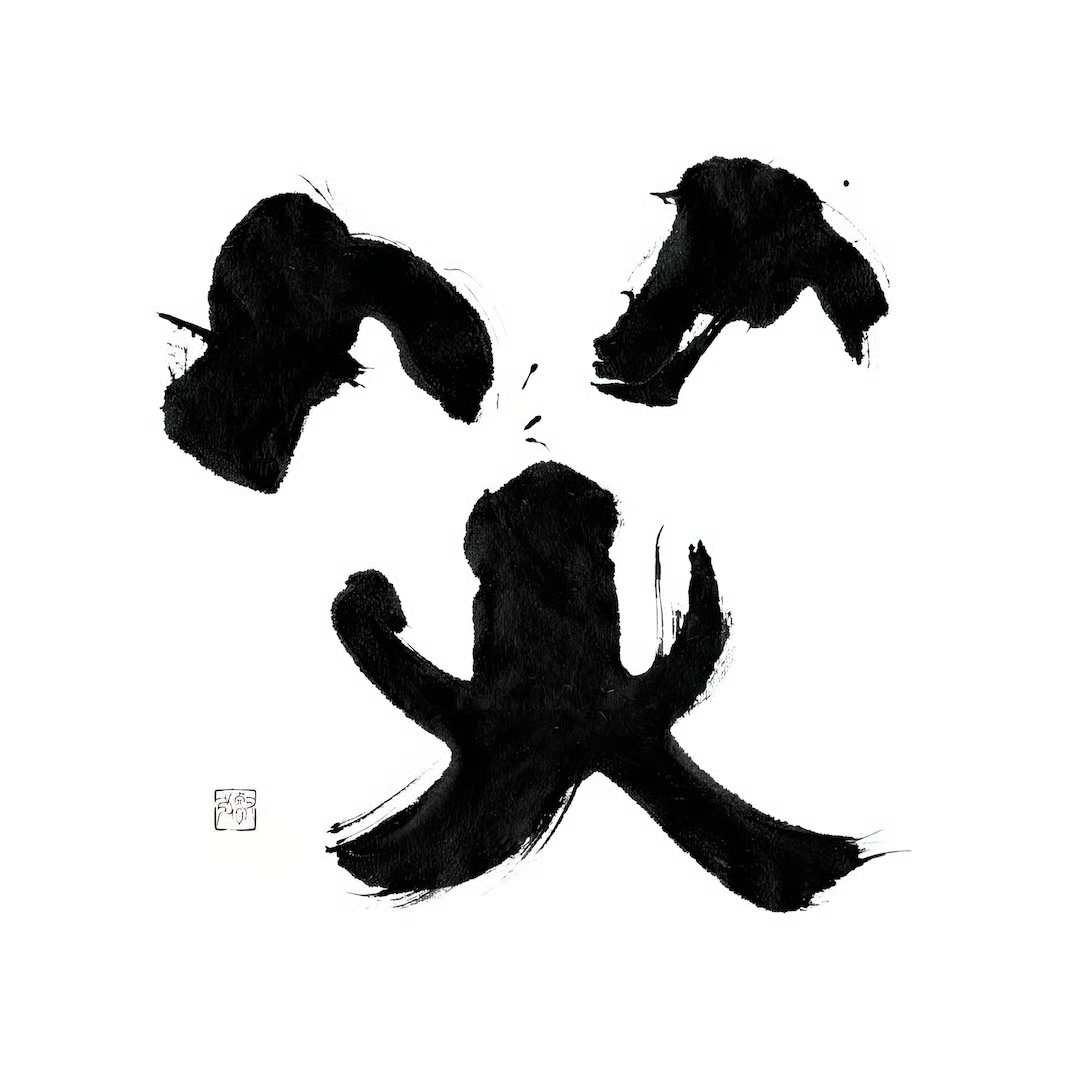
Chinese characters are living scripts with a history spanning 3,500 years.
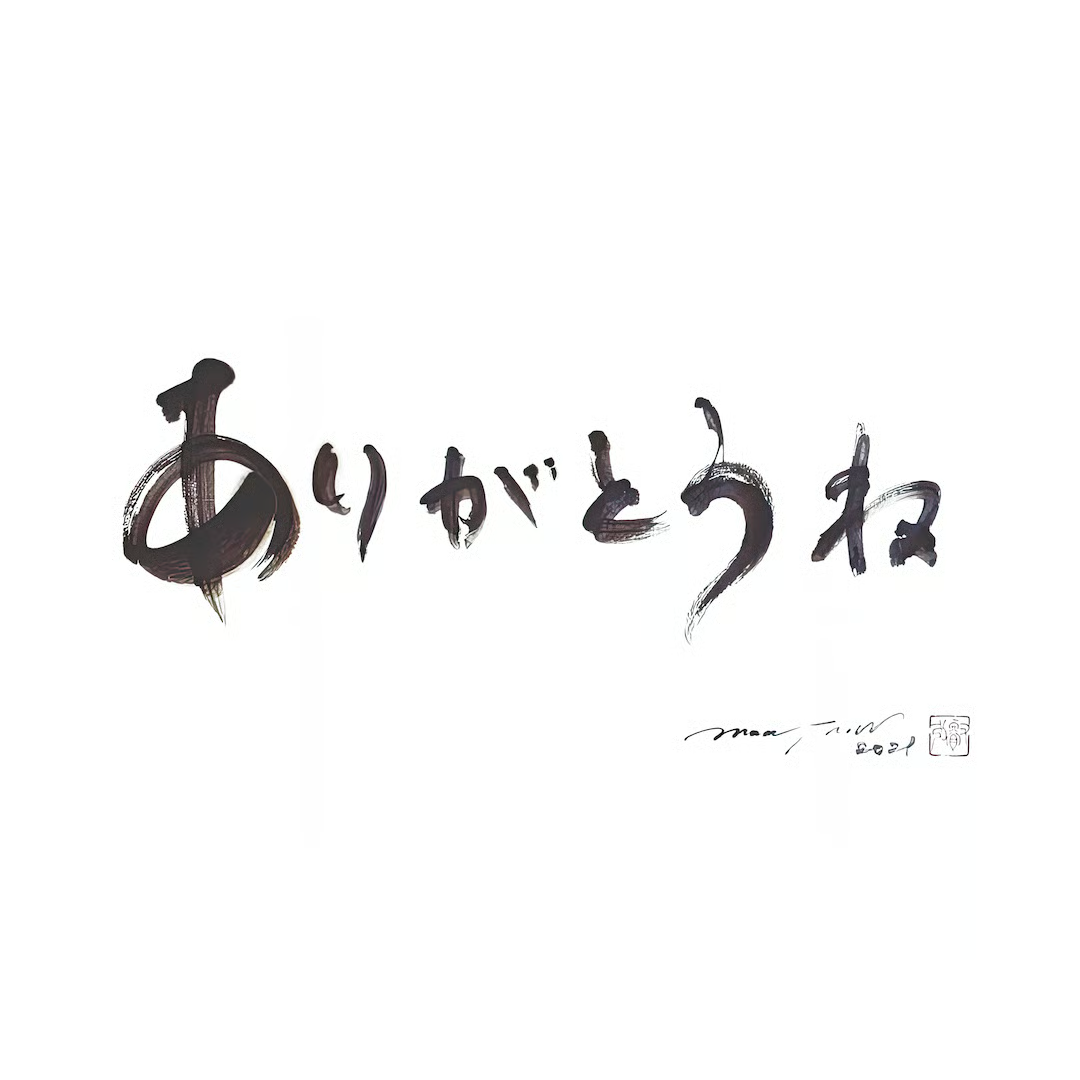
In Japan, hiragana and katakana were later born, allowing written culture to expand in a uniquely rich and expressive way.
Through calligraphy, writing reflects the human spirit—and continues to connect the world today.
As an art form within education, calligraphy offers an experience that nurtures sensitivity while transmitting culture.
From children to adults, it brings Japanese culture and spirituality into schools, companies, and cultural institutions.

VISION

When I held my first solo exhibition at the age of seventeen, I realized that calligraphy was not merely a lesson or a technical discipline, but a vital spiritual activity—art itself. Taking up the brush is a way of regulating one’s breath and facing one’s inner self. It is an act that affirms one’s presence in the present moment and carries hope into the future.
Through my work in France, I came to feel deeply that my mission is to convey Japanese spirituality through calligraphy.
Stillness and movement, ma (interval), and the beauty of emptiness—these values are deeply rooted in Japanese culture and resonate universally across the world. At their core lies a simple yet profound wish: world peace.
Cultural exchange means “being able to see the face of the other.” As one participant once said, “You don’t drop bombs on someone whose face you can see.”
Calligraphy has the power to connect people beyond differences of nationality, culture, or position, opening hearts in the process. Believing in that power, I continue my work as a bridge between generations and cultures.
Workshop Characteristics

Regulating the Breath
The very first drop of water placed on the inkstone reflects one’s own face.
As the ink is ground, breathing naturally deepens, gradually turning into conscious deep breaths.
When the brush touches the paper, ink transforms—bleeding, fading, and revealing subtle variations.
Gently guided into a world of black and white, the rhythm of breathing settles, and the mind grows calm.
Focused Awareness
The scent of ink and the rhythm of the brush draw consciousness fully into the present moment.
Introspection
Through writing, emotions and thoughts quietly surface.
It is like gazing into a mirror of the heart.
Each line reflects the movement of the mind at that very instant.
Healing
Time spent facing ink and paper releases mental clutter and restores inner balance.
An Exceptional Experience
A unique experience engaging all five senses, where culture (tradition and history) and art (creation and expression) are felt simultaneously.
In today’s digital age, such deeply human time is increasingly precious.
Effects: Cultivating One’s Inner Axis
Calligraphy is a time to reaffirm personal values and strengthen one’s inner core.
Expressing oneself through the brush satisfies the need for recognition in a healthy way and gives form to individuality.
What matters is not how others see you, but how you see yourself.
Calligraphy offers the time and space to ask oneself that essential question.
Social Significance of Calligraphy
Calligraphy not only preserves a 3,500-year-old writing culture, but also extends its value into education, wellbeing, and diversity.
By taking up the brush, breathing naturally aligns, the mind calms, and mindfulness emerges—while concentration and creativity are simultaneously nurtured.
Diversity & Inclusion
These initiatives also contribute to diversity promotion, CSR, and the SDGs, helping to build a foundation for peace.

Program Examples & Experience


Typical Workshop (60–90 minutes)
(a “love letter” to oneself)
Experience
(Founded in 1808; recognised as a public-interest organisation since 1859)
Serving as an instructor since 2016, contributing to cultural education.
(A public-interest educational and social welfare institution recognised in 1986)
Workshops provided for young people facing social challenges.
Educational Activities in Museums & Cultural Institutions
Conducted at the National Calligraphy Museum of Algeria, the Ethnographic Museum of the University of Bordeaux, the Crozatier Museum, the History Museum of Nantes, and the Maison de la Culture du Japon à Paris, among others.
Extensive Experience in Educational Settings
Workshops and classes held at primary, secondary, high school, and university levels around Bordeaux, as well as in kindergartens.
Activities in Japan
Collaborations with child-support and educational facilities such as MORIUMIUS.
Corporate Collaborations
(honorifics omitted)
UNIQLO (Paris), The Peninsula Tokyo, among others.
International Reach
Workshops and demonstrations conducted across Europe (Germany, Switzerland, London, Latvia), the Middle East and North Africa (Algeria, Morocco, Dubai), and Asia, including Singapore and Taiwan.